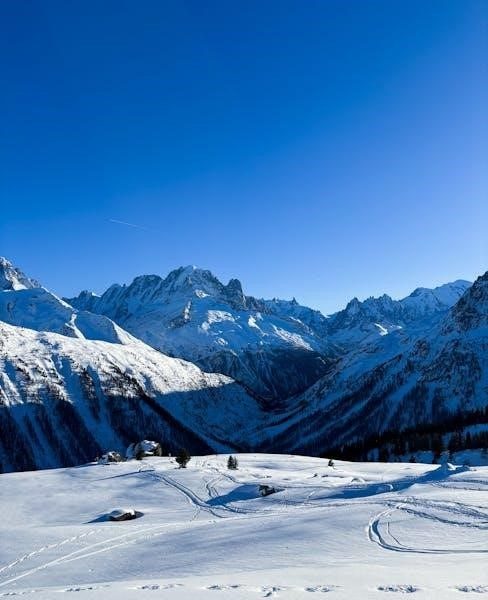
backcountry ski guide
Backcountry Ski Guide: A Comprehensive Overview (Updated 03/08/2026)
Today’s date is 03/08/2026 22:15:54. Becoming a guide often requires substantial training, though accreditation expectations are rising within the USA, as noted on Reddit.
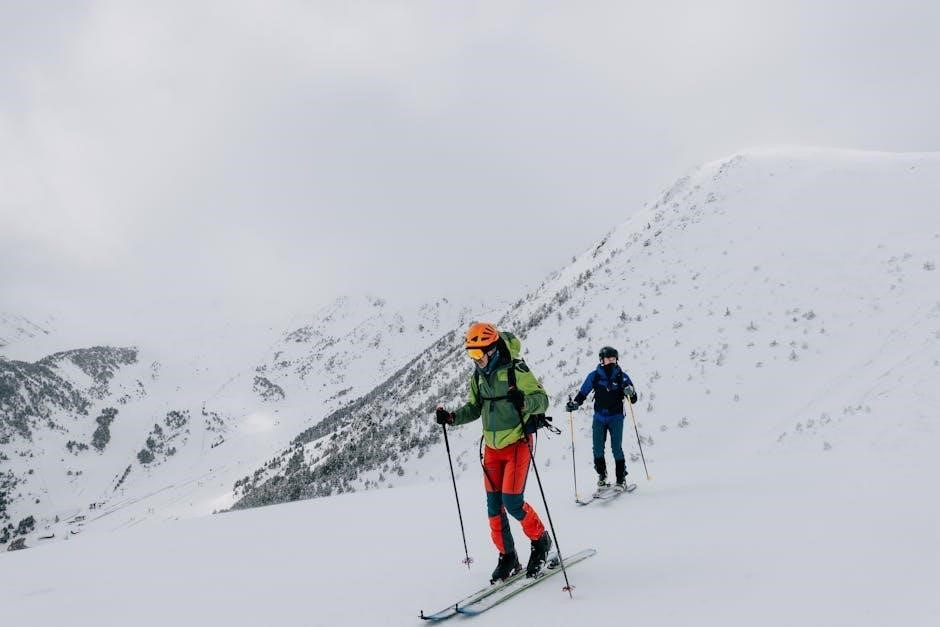
Venturing beyond resort boundaries into the backcountry presents a unique and rewarding skiing experience, demanding a heightened level of self-reliance and expertise. Unlike controlled resort environments, backcountry terrain is largely ungroomed, unpatrolled, and subject to unpredictable natural hazards, most notably avalanches. This shift necessitates a comprehensive understanding of avalanche safety, navigation, and wilderness survival skills.
The allure of backcountry skiing lies in the pristine powder, solitude, and the challenge of accessing untouched slopes. However, this freedom comes with significant responsibility. Guides play a crucial role in facilitating safe and enjoyable backcountry adventures for clients, requiring extensive training and certifications. Many guides supplement their income with seasonal work, like photography or driving, due to the demanding and often financially unstable nature of the profession.
Preparation is paramount, demanding a high level of physical fitness capable of handling sustained uphill skinning, often gaining 500-2,000 vertical feet daily, while enduring harsh weather conditions.
II. Essential Gear for Backcountry Skiing
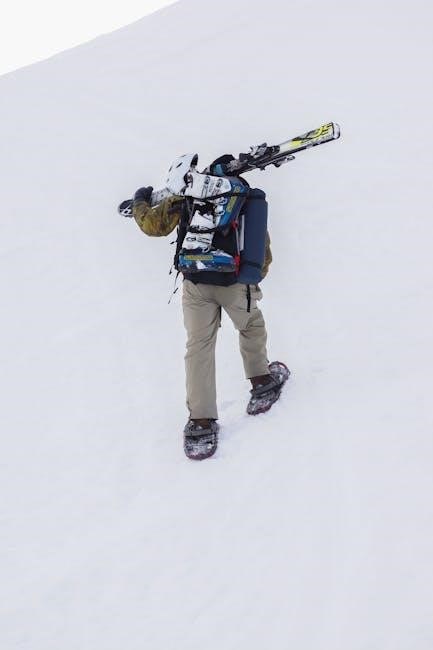
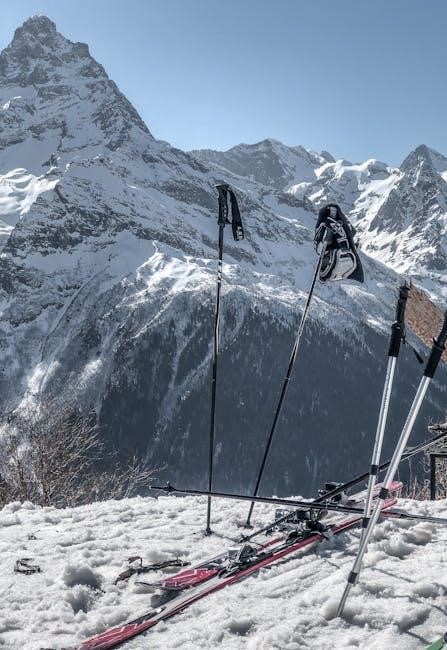
A backcountry ski guide’s equipment list extends far beyond standard downhill ski gear, prioritizing safety and self-sufficiency in remote environments. While specific choices vary based on conditions and personal preference, certain items are non-negotiable. Durable, touring-specific skis with compatible bindings are fundamental, alongside adjustable ski poles. Climbing skins are essential for ascending slopes, enabling traction on snow.
However, the most critical gear revolves around avalanche safety – often referred to as the “holy trinity.” This includes a transceiver (beacon), a shovel, and a probe. Guides must be proficient in using all three, not only for their own safety but also for potential rescue operations. Beyond this, appropriate layered clothing for varying weather conditions, a well-stocked first-aid kit, navigation tools (map, compass, GPS), and communication devices are vital.
Guides must also maintain and inspect all gear regularly, ensuring functionality and reliability in potentially life-threatening situations.
III. Avalanche Safety: The Cornerstone of Backcountry Travel
For a backcountry ski guide, avalanche safety isn’t merely a skill; it’s a foundational philosophy. Comprehensive understanding of avalanche formation, triggers, and terrain is paramount. Guides must constantly assess snowpack stability, looking for warning signs like recent avalanches, cracking, or collapsing snow. Recognizing avalanche terrain – slopes steeper than 30 degrees, convex rolls, and terrain traps – is crucial for route planning.
Proficiency with the “holy trinity” – transceiver, shovel, and probe – is non-negotiable. Regular practice with transceiver searches, efficient shoveling techniques, and accurate probing are essential for rapid and effective rescue. Guides must also be adept at interpreting weather forecasts and understanding how changing conditions impact avalanche risk.
Continuous education and staying current with avalanche safety best practices are vital components of a guide’s responsibility.
A. Understanding Avalanche Terrain
A skilled backcountry ski guide possesses an intimate knowledge of avalanche terrain. Identifying slopes exceeding 30 degrees is fundamental, as these are most prone to avalanches. Convex rolls, where the slope curves outward, are particularly dangerous due to increased stress on the snowpack. Terrain traps – gullies, cliffs, or trees – amplify the consequences of an avalanche, making escape difficult.
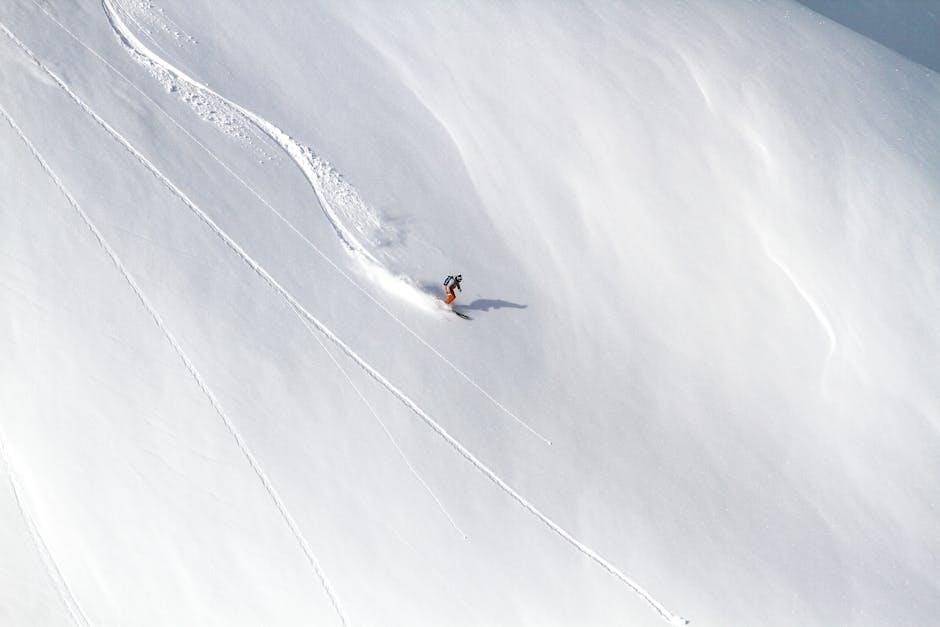
Guides learn to recognize terrain features that contribute to avalanche formation, such as wind loading, which deposits snow on leeward slopes, creating unstable slabs. Understanding aspect – the direction a slope faces – is also critical, as solar radiation and wind patterns vary with aspect, influencing snowpack stability.
Route selection prioritizes avoiding or mitigating exposure to avalanche terrain, utilizing terrain features for natural protection whenever possible.
B. Avalanche Safety Equipment (The “Holy Trinity”)
A backcountry ski guide consistently emphasizes the importance of the “Holy Trinity” – avalanche transceiver, shovel, and probe – as essential life-saving tools. The transceiver, worn close to the body, transmits and receives signals to locate buried individuals. Guides must be proficient in search techniques, quickly identifying signal direction and distance.
The shovel is crucial for efficient excavation, requiring strong technique to move large volumes of snow rapidly. A probe is used to pinpoint the exact location and depth of a buried victim, guiding shovel work. Guides routinely practice companion rescue scenarios, ensuring proficiency with each tool.
Regular equipment checks are paramount, verifying functionality and battery life before and during each tour. Proper carrying and accessibility of these items are non-negotiable safety standards.
Avalanche Transceiver
A backcountry ski guide’s expertise with avalanche transcevers is fundamental. These devices operate on multiple frequencies, enabling both transmission and reception of signals. Guides must understand the nuances of digital and analog transceivers, recognizing their respective strengths and limitations.
Proficiency extends beyond simply knowing how to switch the device between transmit and search modes. Guides practice complex search patterns, including coarse and fine searches, signal confirmation, and multiple burial scenarios. They are adept at identifying spurious signals and differentiating them from genuine transceiver hits.
Regular transceiver checks, including range tests with partners, are standard practice. Guides emphasize the importance of all group members understanding transceiver operation and participating in rescue drills.
Shovel
A backcountry ski guide’s shovel isn’t merely a snow removal tool; it’s a critical life-saving instrument. Guides prioritize shovels constructed from durable, lightweight materials – typically aluminum – capable of efficiently moving large volumes of snow. Blade shape and handle design are carefully considered for optimal digging performance in varied snow conditions.
Effective shoveling techniques are paramount. Guides demonstrate and practice efficient methods like step-cutting, pocket cutting, and conveyor belt excavation to quickly reach buried victims. They understand how snow density and layering impact shoveling efficiency and adjust their techniques accordingly.
Beyond basic excavation, guides utilize shovels for snowpack assessment, digging snow pits to evaluate stability, and constructing rescue platforms. Regular maintenance, ensuring the shovel is in peak working condition, is non-negotiable.
Probe
A backcountry ski guide’s probe is a collapsible pole, typically made of aluminum or carbon fiber, essential for pinpointing the exact location of a buried avalanche victim. Guides understand that speed and accuracy are crucial during a rescue, and a probe facilitates rapid victim location after a transceiver search narrows down the area.
Probes come in varying lengths, with guides selecting appropriate lengths based on typical snowpack depths in their operating area. They are proficient in probe techniques, including careful insertion, feeling for resistance (indicating a body), and precise depth marking. Multiple probing is a standard practice to confirm findings.
Guides emphasize the importance of smooth, controlled probing to avoid pushing the victim deeper into the debris. Regular practice and familiarity with their probe are vital skills, honed through consistent training and scenario-based exercises.
C. Avalanche Rescue Techniques
A skilled backcountry ski guide doesn’t just avoid avalanches; they are experts in rescue. Their training emphasizes a systematic approach, beginning with a rapid assessment of the avalanche scene – identifying the last seen point, avalanche path, and potential victim locations.
Following transceiver searches, guides utilize probing to pinpoint the victim’s exact depth and location. Efficient and coordinated shoveling is then paramount, employing techniques to move large volumes of snow quickly. Guides understand the critical importance of minimizing the time a victim spends buried.
Effective communication and teamwork are central to successful rescues. Guides practice scenarios regularly, refining their skills and ensuring seamless coordination with their team. Post-rescue care, including first aid and evacuation planning, is also a core competency.
IV. Backcountry Skiing Skills & Techniques
A proficient backcountry ski guide possesses a refined skillset extending beyond simply skiing downhill. Mastering skinning techniques – efficient uphill travel – is fundamental, including kick-turn proficiency and route finding on varied terrain. Guides must demonstrate smooth and rapid transitions between ski and walk modes, minimizing time spent stationary.
Navigating variable snow conditions demands adaptability. Guides expertly assess snowpack stability and adjust skiing techniques accordingly, employing strategies for powder, crust, and wind-affected snow. They can confidently manage steep slopes and complex terrain.
Furthermore, guides are adept at reading the landscape, identifying potential hazards, and making informed decisions regarding route selection and safety. They prioritize controlled skiing and demonstrate excellent self-rescue skills.
A. Skinning Techniques
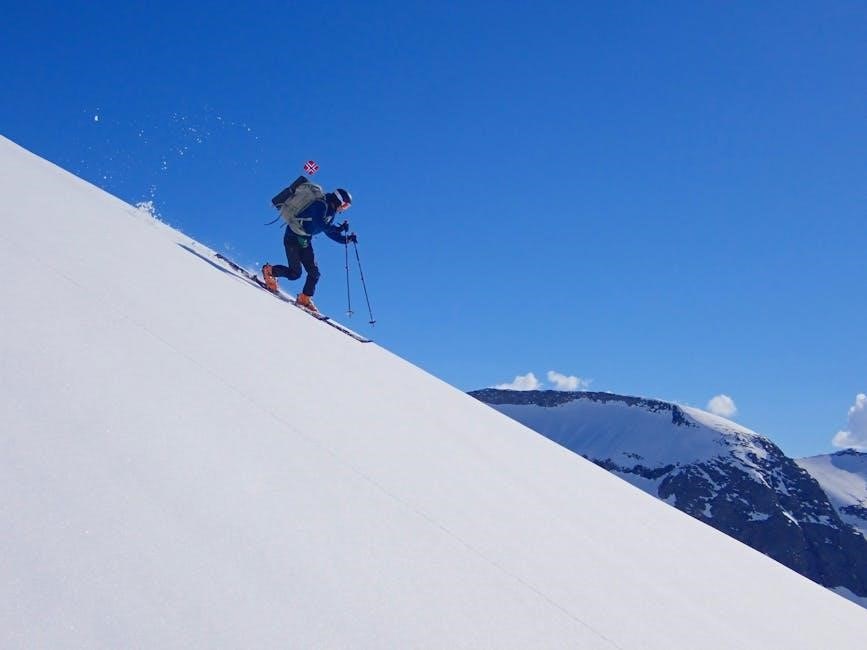
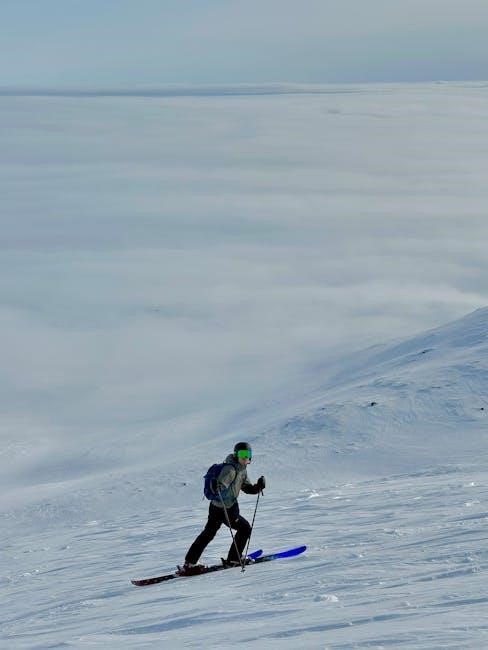
Effective skinning is paramount for a backcountry ski guide, demanding both efficiency and stamina. Guides must demonstrate mastery of various techniques to navigate diverse terrain, conserving energy for the entire tour. This includes a fluid and powerful stride, optimizing pole placement for maximum propulsion, and adapting to changing slope angles.
Proficiency in kick-turns is crucial for ascending steep slopes, requiring precise footwork and balance. Guides also utilize side-stepping and herringbone techniques when conditions dictate. Route selection plays a vital role; a skilled guide identifies the most energy-efficient path, minimizing unnecessary elevation gain.
Maintaining consistent pace and managing group dynamics during ascents are key skills. Guides monitor participants for fatigue and adjust the tempo accordingly, ensuring a safe and enjoyable experience.
B. Transitioning Efficiency
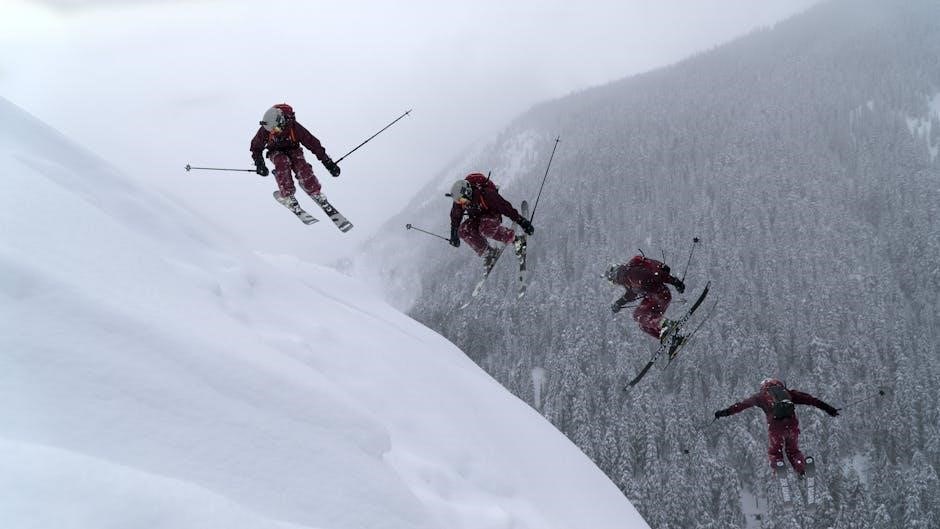
Rapid and smooth transitions – switching between ski mode and skinning mode – are a hallmark of a proficient backcountry ski guide. Time spent transitioning equates to time exposed to potential hazards, making efficiency critical. Guides develop a streamlined system, minimizing fumbling and maximizing speed.
This involves pre-organizing gear, knowing the location of all equipment, and practicing the sequence repeatedly. Efficiently removing and attaching skins, securing skis, and adjusting bindings are all essential components. Guides often demonstrate techniques to clients, fostering independent skill development.
A guide’s ability to manage transitions for a group is equally important, offering assistance where needed and maintaining a calm, organized atmosphere. As noted in course descriptions, guides must be prepared for extended days in challenging conditions, making quick transitions vital.
C. Skiing Techniques in Variable Snow Conditions
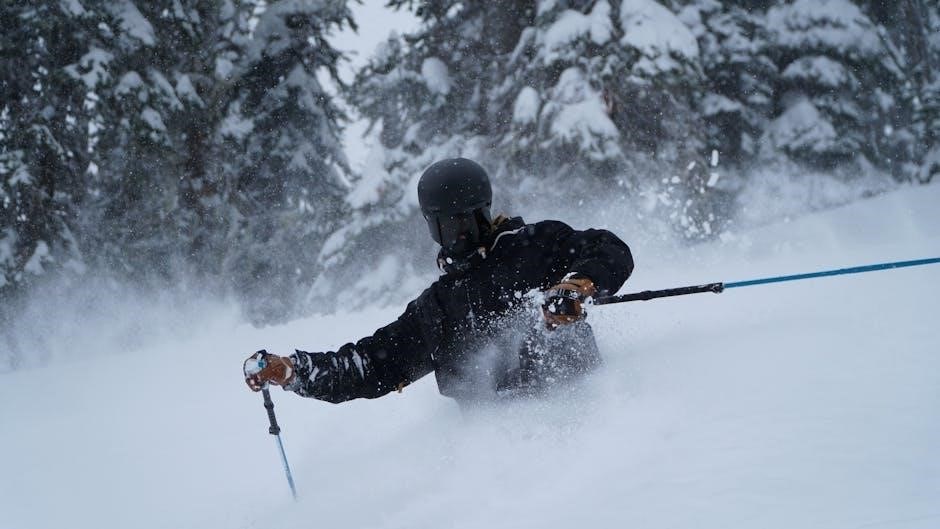
Mastery of diverse skiing techniques is paramount for a backcountry ski guide, as conditions can shift dramatically. Guides must confidently navigate everything from deep powder and breakable crust to icy slopes and variable snowpack. This requires a refined skillset beyond resort skiing.
Techniques include adapting stance, weighting, and turn shape to maintain control and stability. Guides demonstrate and teach clients how to manage different snow types safely, emphasizing proactive adjustments. Understanding how snow conditions impact avalanche risk is also crucial.
Furthermore, guides must be adept at assessing snow stability while skiing, recognizing warning signs, and making informed decisions about route selection. The ability to ski efficiently and effectively in challenging terrain is a core competency, ensuring both guide and client safety throughout the backcountry experience.
V. Becoming a Backcountry Ski Guide: Pathways & Certifications
The path to becoming a certified backcountry ski guide involves dedicated training and accreditation. The American Mountain Guides Association (AMGA) offers a tiered system, starting with the AMGA Apprentice Ski Guide, often pursued while maintaining supplemental income from other seasonal work. Progression leads to the highly respected AMGA Certified Ski Guide level.
Alongside AMGA certifications, Avalanche Professional Levels from AIARE/AAA are essential. Many guides hold at least an AIARE Level 1, with AIARE Level 2 and AIARE Pro Level 1 being common prerequisites for advanced guiding positions.
Crucially, a strong foundation in wilderness medicine is required. Completion of a Wilderness First Responder (WFR) or Wilderness EMT (WEMT) course is standard, demonstrating the ability to handle medical emergencies in remote environments. Accreditation is increasingly important.
A. AMGA (American Mountain Guides Association) Certification
AMGA certification represents a gold standard for backcountry ski guides in the United States, signifying a high level of competence and professionalism. The pathway begins with the AMGA Apprentice Ski Guide program, a crucial stepping stone for aspiring guides. This level often requires balancing guiding work with other seasonal employment to ensure financial stability, as many apprentices maintain separate full-time jobs.
Successfully completing the Apprentice program allows progression towards the coveted AMGA Certified Ski Guide designation. This rigorous process demands extensive experience, demonstrated proficiency in technical skills, and a deep understanding of mountain environments.
Guides often gain initial experience through roles like photographer, van driver, or tail guide at backcountry operations, building a foundation before pursuing formal AMGA accreditation. The AMGA pathway is increasingly valued in the industry.
AMGA Apprentice Ski Guide
The AMGA Apprentice Ski Guide program serves as the foundational level within the American Mountain Guides Association certification pathway. It’s a demanding period where individuals gain practical experience under the mentorship of certified guides, honing essential skills in backcountry travel, group management, and risk assessment.
Many apprentices supplement their income with additional seasonal work, such as photography or logistical support roles within backcountry operations – a common scenario, particularly in locations like Japan, as reported by guides on Reddit. This financial flexibility is often necessary due to the typically lower earnings associated with apprentice positions.
The program emphasizes developing a strong work ethic and a commitment to safety, preparing apprentices for the responsibilities of leading groups in challenging mountain environments. It’s a crucial step towards becoming a fully certified guide.
AMGA Certified Ski Guide
Achieving AMGA Certified Ski Guide status represents the pinnacle of professional backcountry guiding accreditation in the United States; This certification signifies a demonstrably high level of competence in all facets of ski guiding, encompassing technical skiing proficiency, advanced avalanche safety knowledge, and exceptional leadership abilities.
Certified guides are equipped to manage complex backcountry trips, make critical decisions in dynamic environments, and provide a safe and enriching experience for their clients. The rigorous AMGA curriculum ensures these guides possess a comprehensive understanding of mountain weather patterns, terrain assessment, and emergency procedures.
Becoming fully certified requires substantial dedication, years of experience, and successful completion of demanding examinations. It’s a testament to a guide’s commitment to professionalism and their unwavering focus on client safety and enjoyment in the backcountry.
B. Avalanche Professional Levels (AIARE/AAA)
AIARE (American Institute for Avalanche Research and Education) and AAA (American Avalanche Association) offer a progressive series of courses crucial for aspiring backcountry ski guides. These levels build upon each other, providing increasingly in-depth knowledge of avalanche formation, terrain assessment, and rescue techniques.
AIARE Level 1 introduces foundational avalanche safety concepts, while AIARE Level 2 delves into more advanced decision-making skills. Many guides pursue AIARE Pro Level 1, a course specifically designed for professionals, focusing on practical application and leadership in avalanche terrain.
These certifications aren’t always required – some US operations currently accept strong experience alongside Pro Level 1 and first aid – but are increasingly preferred as accreditation “creep” occurs. They demonstrate a commitment to ongoing education and a thorough understanding of avalanche hazards, vital for responsible guiding.
AIARE Level 1
AIARE Level 1 serves as the foundational course for anyone entering avalanche terrain, and is a critical first step for aspiring backcountry ski guides. This 3-day course provides a comprehensive introduction to avalanche awareness, covering topics like avalanche formation, weather influences, and terrain recognition.
Students learn to identify avalanche terrain, assess current conditions, and understand the human factors that contribute to avalanche accidents. A significant portion of the course is dedicated to practical skills, including companion rescue techniques – utilizing a transceiver, probe, and shovel.
While not sufficient for guiding independently, AIARE Level 1 equips individuals with the essential knowledge to travel safely in the backcountry and provides a solid base for further avalanche education. It’s a prerequisite for all subsequent AIARE courses and a strong indicator of commitment to safety.
AIARE Level 2
AIARE Level 2 builds upon the foundational knowledge gained in Level 1, delving deeper into avalanche science and decision-making. This course, typically spanning three days, focuses on developing proficiency in evaluating avalanche hazards and creating a comprehensive travel plan.
Students learn to analyze weather patterns, assess snowpack stability through observation and testing, and interpret complex terrain features. A key component is understanding how to apply this knowledge to make informed decisions in dynamic backcountry environments. Advanced rescue scenarios are practiced, refining transceiver skills and team coordination.
Level 2 is often considered a minimum requirement for individuals seeking employment in the backcountry, though it doesn’t qualify one to be a guide. It’s a crucial step towards professional-level avalanche training and demonstrates a serious commitment to safe backcountry travel and responsible decision-making.
AIARE Pro Level 1
AIARE Pro Level 1 represents a significant leap towards professional avalanche education, designed for individuals aspiring to work in the backcountry guiding or avalanche forecasting fields. This intensive course, lasting nine days, focuses on developing a comprehensive understanding of avalanche formation, stability assessment, and hazard management.
Unlike recreational courses, Pro Level 1 emphasizes the application of avalanche knowledge in a professional context. Students learn to conduct detailed snowpack observations, perform advanced stability tests, and interpret complex data to create accurate hazard assessments. The curriculum includes extensive practice in leading groups, making critical decisions under pressure, and communicating effectively about avalanche risk.
Successful completion of Pro Level 1 is a prerequisite for many guiding positions and demonstrates a commitment to the highest standards of avalanche safety and professional competence. It’s a vital step towards a career in the backcountry.
C. Wilderness First Responder (WFR) & Wilderness EMT (WEMT)
Essential medical certifications are non-negotiable for aspiring backcountry ski guides. A Wilderness First Responder (WFR) course is considered the minimum standard, providing comprehensive training in handling medical emergencies in remote environments where rapid evacuation isn’t possible. These courses typically span 10-12 days, covering topics like trauma care, environmental illnesses, and improvised splinting.
However, many guides pursue a Wilderness EMT (WEMT) certification, which builds upon the WFR curriculum with a more in-depth understanding of advanced medical procedures and patient assessment. WEMT training often includes practical experience in simulated backcountry scenarios, preparing guides to effectively manage critical incidents.
Possessing either WFR or WEMT demonstrates a commitment to client safety and provides the skills necessary to respond confidently to medical emergencies encountered during backcountry adventures. These certifications are frequently prerequisites for employment.
VI; The Backcountry Ski Guide’s Role & Responsibilities
A backcountry ski guide’s role extends far beyond simply leading skiers through beautiful terrain. They are primarily responsible for the safety and well-being of their clients, demanding constant vigilance and proactive risk management. This includes thorough route planning, meticulous weather monitoring, and continuous assessment of avalanche hazards.
Guides must possess exceptional communication skills, effectively conveying information about terrain, snow conditions, and safety protocols to clients of varying skill levels. They also act as educators, sharing knowledge about backcountry awareness and responsible travel practices.
Furthermore, guides are expected to provide a positive and enriching experience, fostering a connection with the mountain environment while maintaining a professional and supportive atmosphere. They are often first responders in emergency situations, requiring decisive action and calm demeanor.
VII. Physical Fitness Requirements for Guides
Backcountry ski guiding is undeniably physically demanding, requiring a high level of fitness to ensure both personal safety and the ability to effectively manage client groups. Guides must be prepared for extended periods of strenuous activity in challenging mountain environments.
Cardiovascular endurance is paramount, as guides routinely skin uphill for significant vertical gains – often 500-2,000 feet per day, as highlighted by Alaska Guide Collective. This necessitates consistent aerobic training. Equally important is strength and stamina to carry heavy rescue gear, navigate variable snow conditions, and potentially assist clients.
Guides need robust leg strength, core stability, and upper body endurance. The ability to withstand prolonged exposure to cold and inclement weather is also crucial, demanding overall resilience and physical conditioning. Maintaining peak fitness is non-negotiable for responsible guiding.
A. Cardiovascular Endurance
For backcountry ski guides, exceptional cardiovascular endurance isn’t merely beneficial—it’s fundamental. The role frequently demands sustained, high-intensity exertion at altitude, often involving repeated ascents via skinning. Alaska Guide Collective courses specifically prepare participants for days involving 500-2,000 feet of vertical gain, emphasizing the need for robust aerobic capacity.
Training should prioritize activities that mimic the demands of backcountry skiing, such as uphill hiking with a weighted pack, trail running, and cross-country skiing. Interval training is also crucial, improving the body’s ability to recover during periods of intense effort.
Consistent aerobic exercise builds the stamina necessary to navigate challenging terrain, manage client groups effectively, and respond decisively in emergency situations. A strong cardiovascular base is the cornerstone of a guide’s physical preparedness.
B. Strength and Stamina
Beyond cardiovascular fitness, backcountry ski guides require significant strength and stamina. The demands extend beyond simply ascending; they encompass carrying heavy rescue gear – including shovels, probes, and potentially a sled – and assisting clients when needed. This necessitates both muscular endurance and raw strength throughout long days in the mountains.
Targeted strength training should focus on legs, core, and back. Exercises like squats, lunges, deadlifts, and planks build the foundational strength required for efficient skinning and stable skiing. Stamina is developed through sustained, lower-intensity activities, mirroring the prolonged exertion of a typical guiding day.
Guides must be prepared to remain outside all day in potentially harsh conditions, demanding a level of physical resilience that only consistent training can provide. This holistic approach ensures guides can safely and effectively manage the physical challenges of their profession.
Related Posts

edge clamp saw guide
Discover the ultimate edge clamp saw guide for flawless woodworking projects. Ensure accurate cuts with our expert guide.

wow hardcore mage guide
Unlock the secrets of hardcore mage gameplay in WoW Classic! Expert tips, powerful builds, and strategies to conquer Azeroth.
trailer tire size guide
Don’t get stuck with the wrong trailer tire size! Our guide makes it easy to find the perfect fit for safe towing. Get rolling now!