faiths and avatars pdf
Article Plan: Faiths and Avatars – A Digital Exploration

Exploring downloadable resources‚ this section will curate a list of scholarly articles focusing on the intersection of digital religion and avatar representation in PDFs;
The digital landscape has become an increasingly significant space for religious expression and community formation‚ mirroring a broader societal shift towards online interaction. This evolution isn’t simply a transfer of existing practices; it’s fostering novel forms of faith and worship. The availability of downloadable PDFs – scholarly articles‚ studies‚ and legal frameworks – highlights the growing academic interest in this phenomenon.

Individuals are now exploring spirituality and connecting with religious groups through virtual platforms‚ necessitating new understandings of religious identity and practice. The exploration of “faiths and avatars” within these digital spaces reveals how traditional beliefs are being adapted and reinterpreted. Accessing relevant PDF resources is crucial for comprehending this complex interplay between faith and technology.
Defining “Avatar” in a Religious Context
Traditionally‚ an avatar signifies a deliberate manifestation – a descent of the divine into a representable form. Within digital realms‚ the term expands to encompass user-created representations‚ raising questions about sacredness and authenticity. Examining PDFs detailing digital religion reveals a nuanced understanding; avatars aren’t merely profile pictures‚ but potentially vehicles for spiritual experience.
This definition necessitates exploring how users imbue their digital selves with religious meaning‚ whether through symbolic representation or active participation in virtual rituals. Scholarly PDFs analyze the theological implications of these digital embodiments‚ questioning if an avatar can facilitate genuine connection with the divine. The concept challenges traditional notions of presence and embodiment within faith.
Historical Precursors to Digital Avatars in Faith
Long before digital spaces‚ faiths employed representational forms to bridge the divine and human. PDFs examining religious history demonstrate that icons in Eastern Orthodox Christianity weren’t simply images‚ but windows to the sacred‚ facilitating veneration. Similarly‚ Buddhist murals and Hindu statues served as focal points for devotion‚ embodying deities and spiritual principles.
These historical precedents reveal a consistent human impulse to visualize the divine. Analyzing these traditions through the lens of digital avatars‚ as explored in relevant PDFs‚ highlights a continuity in religious practice. The digital avatar‚ therefore‚ isn’t a novel concept‚ but a modern iteration of age-old strategies for encountering the sacred.
Icons and Images in Eastern Orthodox Christianity
Eastern Orthodox tradition utilizes icons – not as idols‚ but as “windows to heaven.” PDFs detailing Orthodox theology explain that icons aren’t representations of God’s essence‚ which is unknowable‚ but depictions of divine energies and saints. These images facilitate prayer and veneration‚ connecting believers to the spiritual realm.
Scholarly PDFs analyze the strict rules governing icon painting‚ emphasizing their symbolic language and theological depth. The use of perspective‚ color‚ and composition isn’t arbitrary‚ but conveys specific spiritual truths. Considering this historical context‚ digital avatars within Orthodox communities can be seen as a contemporary extension of this established visual tradition‚ albeit with new challenges and opportunities.
Murals and Representations in Buddhism
Buddhist art‚ particularly murals found in temples and caves‚ serves as a visual aid for meditation and a narrative of the Buddha’s life and teachings. PDFs examining Buddhist iconography reveal that these representations aren’t meant to be literal depictions‚ but symbolic reminders of enlightenment and the path to liberation.
Scholarly resources detail how murals depict Buddhas‚ Bodhisattvas‚ and scenes from the Jataka tales‚ functioning as didactic tools for those unable to read. The standardization of imagery across different schools of Buddhism highlights a shared visual language. Digital avatars‚ therefore‚ can be viewed as a modern adaptation of this long-standing tradition of using visual forms to convey complex spiritual concepts.
The Role of Statues in Hinduism
Hinduism’s rich sculptural tradition‚ documented in numerous PDFs‚ centers around murti – consecrated images representing deities. These aren’t idols‚ but rather embodiments of the divine‚ serving as focal points for worship and devotion. Scholarly articles detail the intricate rituals surrounding the creation and installation of these statues‚ emphasizing their sacredness.
PDF resources illustrate how murti allow devotees to interact with the divine in a tangible way‚ fostering a personal connection. The diverse forms of Hindu deities‚ each with specific iconography‚ reflect their multifaceted nature. Digital avatars‚ mirroring this practice‚ offer a contemporary means of embodying and engaging with the divine‚ albeit in a virtual realm.
The Concept of Divine Representation Across Faiths
Across diverse religious traditions‚ the representation of the divine presents complex theological and artistic challenges‚ extensively explored in available PDFs. Many faiths grapple with the inherent limitations of depicting the transcendent. Iconography‚ statuary‚ and even textual descriptions function as symbolic representations‚ aiming to evoke the divine presence rather than capture it literally.
Scholarly articles within these PDFs reveal common threads: the use of symbolism‚ anthropomorphism‚ and the understanding that representations are ultimately human constructs. This foundational concept informs the emergence of digital avatars‚ which similarly function as mediated expressions of faith‚ offering new avenues for spiritual engagement.
Digital Avatars: A Modern Manifestation
Digital avatars represent a contemporary evolution in the long history of divine representation‚ detailed within numerous PDFs. These virtual embodiments allow individuals to express their faith and engage with religious communities in novel ways. Unlike traditional iconography‚ avatars are often customizable and interactive‚ fostering a sense of personal connection.
PDF research highlights how avatars aren’t merely visual substitutes; they’re performative expressions of belief. Users actively become a representation‚ participating in rituals and interactions within virtual spaces. This active participation blurs the lines between observer and participant‚ offering a uniquely immersive religious experience.
Avatars in Abrahamic Religions Online
Within Abrahamic faiths online‚ avatar use presents unique challenges‚ explored extensively in available PDFs. Depicting God directly is often considered blasphemous‚ leading to representations of angels‚ prophets‚ or symbolic imagery. Users may adopt avatars reflecting biblical figures or embodying spiritual qualities like compassion or faith.
PDF studies reveal a spectrum of approaches. Some communities strictly prohibit any visual representation‚ while others embrace avatars as tools for connection and learning. The ethical considerations surrounding respectful depiction and avoiding misrepresentation are central themes‚ prompting ongoing discussion and guidelines within these digital spaces.

Representing Angels and Prophets
PDF research highlights the common practice of utilizing avatars to embody angels and prophets within online Abrahamic communities. These representations often draw from traditional iconography‚ though digital formats allow for creative interpretations. Users might select avatars resembling depictions found in religious art or create original designs inspired by scriptural descriptions.
Scholarly articles in PDF format analyze the theological implications of such portrayals. Is it permissible to visually represent divine messengers? How does avatar choice impact perceptions of these figures? The debate centers on balancing accessibility and engagement with reverence and avoiding potential idolatry‚ as detailed in numerous digital religious studies.
Challenges of Depicting God in Digital Form
PDF analyses reveal significant theological hurdles when attempting to represent God through avatars. Many Abrahamic faiths traditionally discourage or outright prohibit visual depictions of the divine‚ viewing it as potentially blasphemous or limiting God’s infinite nature. Digital spaces amplify this challenge‚ as avatars inherently embody a finite form.
Scholarly PDFs explore how online communities navigate this dilemma. Some avoid direct representations‚ opting for symbolic imagery or abstract avatars. Others debate the appropriateness of even representing God’s attributes through avatars. Legal and ethical frameworks‚ detailed in downloadable studies‚ often address issues of religious sensitivity and potential offense.
Avatars in Eastern Religions Online
PDF research demonstrates a different approach within Eastern religions. Unlike Abrahamic traditions‚ faiths like Buddhism and Hinduism possess rich iconographic histories‚ making digital avatars a more natural extension of existing practices. Downloadable studies showcase virtual Buddhas and Bodhisattvas appearing in online spaces‚ often serving as focal points for devotion.
Hindu deities are frequently represented through avatars‚ mirroring temple iconography. However‚ PDFs also highlight debates surrounding authenticity and respectful representation. Concerns arise regarding the potential for trivialization or misinterpretation of sacred figures. Legal frameworks‚ explored in downloadable resources‚ address copyright issues related to religious imagery.
Digital Buddhas and Bodhisattvas
PDF analyses reveal a significant presence of digital Buddhas and Bodhisattvas within virtual Buddhist communities. These avatars aren’t merely visual representations; they often function as active participants in online ceremonies and teachings. Scholarly articles‚ available as PDFs‚ detail how devotees interact with these digital forms‚ offering prayers and receiving blessings.
The accessibility of these avatars expands Buddhist practice beyond geographical limitations. Downloadable studies explore the ethical considerations of creating and interacting with digital representations of enlightened beings‚ focusing on maintaining reverence and avoiding disrespectful portrayals. Legal documents within PDFs address copyright concerns related to traditional Buddhist art used in avatar creation.
Hindu Deities in Virtual Spaces
PDF research demonstrates a vibrant manifestation of Hindu deities within virtual worlds. Avatars of gods and goddesses‚ like Shiva‚ Vishnu‚ and Lakshmi‚ populate online temples and participate in digital festivals. Scholarly articles‚ often available as downloadable PDFs‚ analyze how devotees utilize these avatars for worship‚ storytelling‚ and community building.
These digital representations offer accessibility to Hindu practices for a global audience. Legal PDFs explore copyright issues surrounding the use of traditional iconography in avatar design. Ethical considerations‚ detailed in downloadable studies‚ focus on maintaining the sanctity of the deities and preventing misrepresentation within these virtual spaces‚ ensuring respectful engagement.
The Use of Avatars in Religious Communities Online
PDF analyses reveal that religious communities increasingly employ avatars to foster connection and participation. Downloadable studies document how avatars facilitate worship services‚ bible studies‚ and social gatherings within virtual environments. These digital representations allow geographically dispersed members to interact as if physically present‚ strengthening communal bonds.
Scholarly PDFs explore the impact of avatar choice on religious identity and expression. Legal frameworks‚ often available in PDF format‚ address issues of online conduct and accountability within these communities. Ethical considerations‚ detailed in downloadable resources‚ focus on maintaining respectful interactions and preventing harassment or misrepresentation through avatar use.
Virtual Reality and Religious Experience
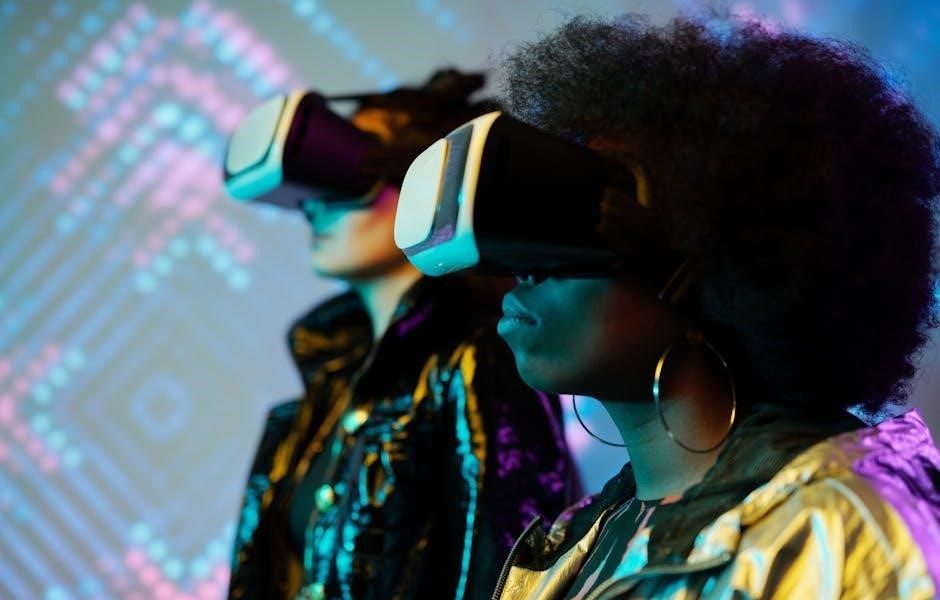
PDF research demonstrates a growing trend of utilizing virtual reality (VR) to recreate sacred spaces and facilitate immersive religious experiences. Downloadable studies analyze how avatars within VR environments enhance feelings of presence and connection to the divine. These digital pilgrimages offer accessibility to individuals unable to physically visit holy sites.
Scholarly PDFs explore the psychological and spiritual impact of VR-mediated religious practices. Legal and ethical frameworks‚ often available as PDFs‚ address concerns regarding authenticity and potential for manipulation within these immersive experiences. Downloadable resources detail the use of avatars to embody religious figures or participate in virtual rituals‚ raising questions about representation and belief.
Ethical Considerations of Religious Avatars
PDF analyses reveal significant ethical dilemmas surrounding religious avatars‚ particularly concerning authenticity and potential misrepresentation of faith. Downloadable legal frameworks address issues of blasphemy and respectful use of religious imagery within digital spaces. Scholarly articles‚ often available as PDFs‚ debate the boundaries of artistic license versus religious offense.
These resources explore the responsibility of avatar creators and platform providers in safeguarding religious sensitivities. PDFs detail concerns about the commodification of faith and the potential for avatars to perpetuate harmful stereotypes. Downloadable studies examine the impact of avatar-mediated interactions on religious identity and community cohesion‚ urging careful consideration of ethical implications.
Authenticity and Misrepresentation
PDF resources highlight the core challenge of representing faith authentically through avatars. Scholarly articles‚ downloadable in PDF format‚ dissect how avatars can both enhance and distort religious understanding. Concerns arise regarding the potential for misrepresentation‚ particularly when users create avatars that deviate from established theological doctrines or artistic traditions.
Legal analyses‚ often found as PDFs‚ explore the limits of free expression versus the protection of religious beliefs. Downloadable case studies examine instances where avatars have been perceived as disrespectful or sacrilegious. These resources emphasize the need for careful consideration of cultural context and the potential for unintended offense when designing and utilizing religious avatars.
Blasphemy and Respectful Use
PDF documents detailing legal precedents and ethical guidelines are crucial when discussing blasphemy in the context of religious avatars. Scholarly articles‚ available as PDFs‚ analyze the delicate balance between artistic freedom and religious sensitivity. The potential for avatars to be perceived as blasphemous necessitates a nuanced understanding of varying theological interpretations.
Downloadable resources often feature discussions on establishing community standards for respectful avatar creation and interaction. These PDFs emphasize the importance of user education and moderation to prevent the misuse of avatars for offensive purposes. Examining case studies‚ presented in PDF format‚ reveals the complexities of defining and addressing blasphemous content in virtual spaces.
PDF Resources: Scholarly Articles on Digital Religion
This section compiles a curated collection of scholarly articles‚ available in PDF format‚ exploring the burgeoning field of digital religion. These resources delve into the theoretical frameworks surrounding online faith communities and the impact of digital technologies on religious practice. PDFs will cover topics like virtual pilgrimage‚ online worship‚ and the construction of religious identity in digital spaces.
Researchers can access PDFs examining the specific use of avatars within various faith traditions. Articles analyze how avatars facilitate religious expression‚ community building‚ and the negotiation of belief systems online. We’ll provide links to PDFs offering critical perspectives on the ethical and theological implications of digital representation.

PDF Resources: Studies on Virtual Religious Communities
This curated collection of PDF studies focuses specifically on the formation and function of religious communities within virtual environments. These resources analyze how individuals engage in faith-based practices and build relationships within online spaces‚ particularly those utilizing avatars. PDFs will explore the dynamics of power‚ authority‚ and social interaction within these digital congregations.
Researchers will find PDFs detailing ethnographic studies of religious groups in platforms like Second Life and emerging metaverse spaces; Articles examine how avatars are employed to express religious identity‚ participate in rituals‚ and foster a sense of belonging. We’ll include PDFs offering insights into the challenges and opportunities presented by virtual religious communities.
PDF Resources: Legal and Ethical Frameworks
This section compiles crucial PDF documents addressing the legal and ethical considerations surrounding religious avatars and digital representations of faith. These resources delve into issues of copyright‚ fair use of religious imagery‚ and potential for misrepresentation or blasphemy within virtual spaces. We’ll provide access to scholarly articles examining the boundaries of free speech and religious expression online.
Included are PDFs analyzing the legal precedents related to online religious practices and the responsibilities of platform providers. Resources will cover the ethical implications of creating avatars that depict deities or religious figures‚ and the potential for causing offense or harm. These frameworks are vital for navigating the complex landscape of digital faith.
Platforms Hosting Religious Avatar Content
This section details prominent online platforms where religious avatar content flourishes‚ offering diverse spaces for digital faith expression. We’ll focus on platforms like Second Life‚ known for its long-standing religious communities and user-created virtual spaces‚ and the emerging Metaverse environments rapidly gaining traction. PDF resources will showcase case studies of religious groups establishing a presence on these platforms.

Analysis will include how these platforms’ terms of service impact religious expression‚ and the challenges of moderating content related to sensitive religious topics. We’ll explore how users leverage avatar customization to represent their faith‚ and the unique opportunities these platforms offer for interfaith dialogue and community building.
Second Life and Religious Groups

Second Life‚ a pioneer in virtual worlds‚ has hosted numerous religious communities for over two decades. PDF resources will detail how various faiths – including Christianity‚ Buddhism‚ and Judaism – have established virtual churches‚ temples‚ and synagogues within the platform. These spaces offer services‚ study groups‚ and social interaction for geographically dispersed members.
We’ll examine how avatars are utilized to represent religious figures or congregants‚ and the challenges of recreating sacred spaces in a digital environment. Analysis will focus on the platform’s impact on religious identity and community formation‚ alongside ethical considerations regarding representation and inclusivity‚ documented in available research PDFs.
Metaverse and Emerging Religious Spaces
The burgeoning metaverse presents new frontiers for digital faith communities‚ extending beyond platforms like Second Life. PDF analyses will explore how decentralized virtual worlds are being utilized to construct immersive religious experiences‚ leveraging technologies like VR and blockchain. We’ll investigate emerging religious groups establishing presences within these spaces‚ and the unique opportunities for global connection.
This section will detail how avatars facilitate participation in virtual rituals and ceremonies‚ and the evolving ethical landscape surrounding digital worship. Research PDFs will be examined to understand the impact of the metaverse on religious identity‚ accessibility‚ and the potential for innovative forms of spiritual practice.

The Impact of Avatars on Religious Identity
PDF resources reveal a complex interplay between avatar selection and the expression of religious identity online. This section analyzes how individuals utilize avatars to negotiate and perform their faith within digital communities‚ potentially reinforcing or challenging traditional boundaries.
We’ll explore studies examining the psychological effects of embodying a religious avatar‚ and the potential for enhanced spiritual connection or‚ conversely‚ feelings of disconnect. Research PDFs will be scrutinized to understand how avatar customization influences perceptions of authenticity and belonging‚ and the role of avatars in fostering interfaith dialogue or reinforcing existing divisions.
Accessibility and Inclusivity of Digital Faith
PDF analyses demonstrate that digital avatars can significantly broaden access to religious practices for individuals facing physical limitations or geographical barriers. This section investigates how virtual spaces and avatar representation promote inclusivity for marginalized communities within faith traditions.

We’ll examine research PDFs exploring the use of avatars to overcome disabilities‚ language barriers‚ or social anxieties‚ enabling greater participation in religious rituals and community life. The impact of avatar customization on representing diverse identities – including gender‚ ethnicity‚ and neurodiversity – will be assessed‚ alongside ethical considerations regarding equitable access to these technologies.
The Future of Religious Avatars
PDF studies suggest a trajectory towards increasingly sophisticated religious avatars‚ driven by advancements in virtual reality (VR)‚ augmented reality (AR)‚ and artificial intelligence (AI). This section explores potential developments‚ including emotionally responsive avatars and AI-guided spiritual experiences.
We’ll analyze research PDFs forecasting the integration of blockchain technology for secure and transparent religious transactions within virtual communities. The ethical implications of AI-driven avatars offering personalized religious guidance will be debated‚ alongside considerations for maintaining authenticity and preventing manipulation. Future PDFs may detail the emergence of fully immersive religious metaverses.
Searching for “Faiths and Avatars” PDFs Effectively
Locating relevant PDFs requires strategic search terms beyond “faiths and avatars.” Combine keywords like “digital religion‚” “virtual communities‚” “religious avatars‚” “online worship‚” and specific faith traditions (e.g.‚ “Buddhism and VR”). Utilize academic databases – JSTOR‚ Google Scholar‚ and university repositories – for peer-reviewed research.
Employ Boolean operators (AND‚ OR‚ NOT) to refine searches. For example‚ “digital religion AND avatars AND ethics.” Filter results by publication date to access the most current scholarship. Explore specialized digital religion archives and research centers’ websites for curated PDF collections. Be mindful of copyright restrictions when accessing and utilizing PDF resources.
Copyright and Fair Use of Religious Images in PDFs
Navigating copyright when including religious imagery in PDFs is crucial. Most images are protected‚ even historical ones. Determine the copyright status before use – public domain‚ Creative Commons licenses‚ or requiring permission. Fair use allows limited use for scholarly purposes like criticism‚ research‚ or education.
However‚ fair use is context-dependent. Consider the purpose and character of your use‚ the nature of the copyrighted work‚ the amount used‚ and the effect on the market. Always cite sources meticulously. When possible‚ utilize openly licensed images or seek permission from copyright holders to avoid legal issues and demonstrate ethical scholarship.
Critical Evaluation of PDF Sources
Assessing PDF sources requires careful scrutiny. Evaluate the author’s credentials and institutional affiliation for expertise. Examine the publication date – newer research is generally preferred‚ but foundational works remain vital. Consider the publisher; academic presses and reputable institutions lend credibility.

Analyze the methodology employed in the research. Is it rigorous and transparent? Look for peer review‚ indicating expert validation. Cross-reference information with other sources to verify accuracy and identify potential biases. Be wary of sources lacking clear attribution or exhibiting strong ideological leanings. Prioritize scholarly articles over opinion pieces.
Digital avatars are reshaping religious expression‚ offering new avenues for connection and identity formation; The proliferation of PDFs detailing this phenomenon highlights growing academic interest. However‚ critical evaluation of these sources is paramount‚ ensuring robust understanding.
As virtual reality expands‚ expect increasingly immersive religious experiences. Ethical considerations surrounding authenticity‚ representation‚ and potential for misuse will demand ongoing dialogue. The future likely holds hybrid forms of faith‚ blending physical and digital realms. Continued research‚ accessible through curated PDF resources‚ will be crucial to navigate this evolving landscape.
Related Posts

gravely zt hd 60 service manual pdf
Need a Gravely ZT HD 60 service manual PDF? Find reliable downloads & troubleshooting tips to keep your zero-turn mower running smoothly. Get back to mowing!

refrigerator temperature log sheet pdf
Don’t gamble with food safety! Grab our FREE, easy-to-use refrigerator temperature log sheet in PDF format. Simple tracking to ensure everything stays perfectly chilled. Download now!

interest groups icivics answer key pdf
Struggling with iCivics? Find the **answer key** PDF easily! We’ve got the resources to help you master civics & score top marks. Get instant access now!