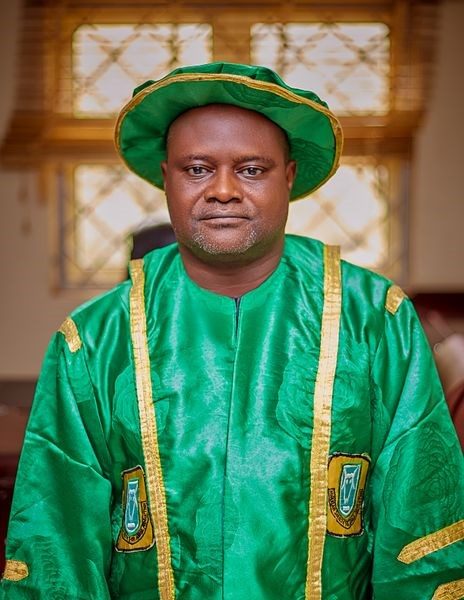
dean of instruction
Definition of Dean of Instruction
The Dean of Instruction is an academic administrator overseeing teaching quality‚ curriculum standards‚ and faculty development․ They coordinate instructional policies‚ assess student learning outcomes‚ and ensure alignment with accreditation requirements․ Their leadership fosters cohesive student learning team․

Historical Evolution
The Dean of Instruction emerged in the late 19th century as a university administrator tasked with overseeing faculty hiring and curriculum approval․ Over time‚ the role expanded to include assessment of teaching quality and faculty development․ The post‑World War II era‚ marked by a surge in student enrollment‚ prompted institutions to institutionalize the Dean of Instruction as a central figure coordinating instructional resources‚ scheduling‚ and academic advising․ In the 1970s‚ the rise of educational technology and student‑centered learning models required deans to champion curriculum redesign and integrate new instructional methodologies․ The 1990s introduced accreditation standards that linked instructional quality to institutional accountability‚ solidifying the dean’s role in quality assurance and continuous improvement․ In the 21st century‚ data analytics‚ online platforms‚ and competency‑based education reshaped responsibilities‚ demanding strategic leadership‚ policy expertise‚ and a forward‑looking vision to navigate the evolving higher‑education landscape․ Today‚ the Dean of Instruction also champions diversity‚ equity‚ and inclusion initiatives‚ ensuring that instructional practices reflect the needs of a diverse student body․ Additionally‚ they play a pivotal role in integrating emerging technologies to enhance learning outcomes and maintain institutional competitiveness‚ and fostering academic excellence for students worldwide!!
This historical trajectory underscores the Dean’s pivotal role as an adaptive leader‚ continuously aligning instructional practices with evolving educational paradigms‚ institutional missions‚ and societal expectations․ Continuously․ future today now․
Core Responsibilities
The Dean of Instruction is a pivotal academic leader responsible for ensuring the quality and integrity of teaching and learning across the institution․ They set strategic priorities that align curriculum‚ assessment‚ and faculty development with the university’s mission and accreditation standards․ By collaborating with faculty leaders‚ the dean refines curricula‚ promotes pedagogical innovation‚ and monitors assessment systems that capture student learning gains and program outcomes․ The dean champions professional development‚ providing resources‚ workshops‚ and mentorship to cultivate effective instructional practices․ They oversee faculty hiring‚ promotion‚ and tenure processes‚ emphasizing pedagogical excellence and research‑informed teaching․ The dean serves as a liaison between the academic community and institutional administration‚ translating pedagogical needs into budgetary and policy decisions․ They coordinate technology integration‚ ensuring that digital tools enhance accessibility‚ engagement‚ and assessment․ Finally‚ the dean promotes a culture of equity‚ diversity‚ and inclusion‚ embedding these principles in curriculum design‚ faculty recruitment‚ and student support services․ Through these responsibilities‚ the Dean of Instruction safeguards the integrity of learning experiences and advances the institution’s educational excellence․ By fostering a culture of continuous improvement‚ the Dean of Instruction ensures that every faculty member and student benefits from the highest standards of teaching and learning․ for excellence and growth․
Academic Leadership
Academic leadership by the Dean of Instruction involves guiding faculty‚ shaping institutional vision‚ and fostering a culture of scholarly excellence․
The dean acts as a catalyst for pedagogical innovation‚ encouraging evidence‑based teaching practices and interdisciplinary collaboration․
They convene faculty councils‚ mediate conflicts‚ and champion professional growth through targeted workshops and mentorship programs․
By aligning curriculum with industry trends and research priorities‚ the dean ensures that learning outcomes remain relevant and rigorous․
They also oversee assessment frameworks‚ using data analytics to inform continuous improvement and demonstrate accountability to accreditation bodies․
In partnership with senior administration‚ the dean translates educational goals into strategic plans‚ resource allocations‚ and policy reforms․
Their stewardship promotes diversity‚ equity‚ and inclusion across all academic activities‚ ensuring that every student and faculty member has equitable access to high quality instruction․
The dean’s role as a advocate strengthens the institution’s reputation‚ attracts top talent‚ secures external funding for innovative teaching initiatives․!
By integrating emerging pedagogies‚ the dean fosters a learning ecosystem where faculty experiment with flipped classrooms‚ micro‑credentials‚ and competency‑based learning․ This proactive not only elevates student engagement but also equips graduates with transferable skills that resonate with evolving workforce demands and growth!!!!

Curriculum Development and Review
The Dean of Instruction leads systematic curriculum design‚ ensuring alignment with institutional mission‚ accreditation standards‚ and workforce needs․ They convene interdisciplinary curriculum committees‚ integrating faculty expertise‚ industry insights‚ and student feedback to craft coherent program maps․ The process begins with a comprehensive needs assessment‚ gathering data from learning analytics‚ graduate surveys‚ and labor market trends․ This evidence informs learning outcome articulation and competency frameworks that guide course sequencing and assessment rubrics․ The dean facilitates iterative review cycles‚ employing peer‑review protocols‚ faculty workshops‚ and external advisory panels to evaluate content relevance‚ pedagogical rigor‚ and resource adequacy․ They champion the adoption of competency‑based modules‚ micro‑credentials‚ and experiential learning opportunities‚ ensuring that curricular changes are reflected in faculty development plans and assessment strategies․ The dean also oversees the integration of technology‚ such as learning management systems and adaptive learning tools‚ to enhance delivery and personalize student pathways․ Throughout‚ they maintain rigorous documentation‚ track revision histories‚ and report outcomes to accreditation bodies and governing boards․ By fostering a culture of continuous improvement‚ the dean ensures that curricula remain dynamic‚ evidence‑based‚ and responsive to emerging knowledge domains and societal challenges․ Continuous review ensures relevance! OK!

Faculty Development and Support
The Dean of Instruction champions faculty growth through structured mentorship‚ pedagogical research‚ and technology training․ They establish faculty development committees that design workshops on active learning‚ assessment literacy‚ and inclusive teaching strategies․ By leveraging data from teaching evaluations and peer observations‚ the dean identifies skill gaps and tailors professional learning communities․ Collaborative grant writing support and sabbatical resources further empower scholars to innovate curricula and integrate emerging disciplines․ The dean also coordinates faculty exchange programs‚ inviting external experts to share best practices and fostering cross‑departmental collaborations․ Continuous feedback loops‚ including reflective journals and peer‑review panels‚ ensure that instructional practices evolve with evidence‑based research․ Funding for conference attendance‚ teaching awards‚ and instructional design labs underscores institutional commitment․ This holistic approach cultivates a culture of excellence‚ sustaining high‑quality instruction and advancing the university’s academic reputation․ Faculty members receive individualized coaching‚ peer‑review opportunities‚ and access to research grants that enhance pedagogical innovation․ The dean promotes a community of practice that values data‑driven decision making‚ collaborative inquiry‚ and continuous improvement‚ thereby strengthening the institution’s instructional mission and ensuring that teaching remains responsive to student needs and industry demands․ These efforts culminate in a faculty culture that elevates teaching excellence!

Student Learning Outcomes and Assessment
Continuous assessment—formative‚summative‚ and diagnostic—provides real‑time data that informs instructional adjustments and curriculum refinement․ Data analytics dashboards aggregate assessment results‚revealing trends in student mastery and highlighting areas requiring targeted intervention․ Faculty collaborate in assessment teams‚employing peer‑review cycles to ensure validity‚ reliability‚ and fairness across courses․ Professional development workshops train educators in evidence‑based assessment techniques‚such as rubrics‚ portfolio evaluation‚ and competency‑based grading․ Institutional review boards oversee the ethical dimensions of assessment‚safeguarding student privacy while promoting transparency․ Student feedback mechanisms‚including surveys and focus groups‚ capture learner perspectives‚ enriching the assessment ecosystem․ Adaptive learning technologies personalize pathways‚ adjusting difficulty in response to mastery data․ The iterative loop of setting outcomes‚ collecting evidence‚ analyzing results‚ and revising instruction cultivates a culture of continuous improvement‚ ultimately enhancing student success and institutional reputation; Continuous improvement is a shared priority․

Accreditation and Quality Assurance
The Dean of Instruction leads the institutional accreditation lifecycle‚ coordinating self‑study reports‚ site visits‚ and continuous improvement plans․ They ensure that program outcomes align with accrediting bodies’ standards‚ translating policy into measurable objectives․ Faculty assessment data‚ student feedback‚ and resource audits feed into the quality assurance framework‚ enabling evidence‑based decision making․ The Dean establishes cross‑disciplinary review committees that evaluate curriculum coherence‚ instructional design‚ and assessment integrity․ They champion the use of learning analytics dashboards‚ which track performance indicators as pass rates‚ retention‚ and graduate employability․ Regular benchmarking against peer institutions informs strategic priorities‚ while external audits validate compliance․ The Dean’s stewardship of accreditation documentation—mission statements‚ learning outcomes‚ and evidence repositories—ensures traceability and transparency․ Continuous professional development workshops train faculty in best practices for data collection‚ analysis‚ and reporting․ By embedding a culture of accountability‚ the Dean of Instruction safeguards academic rigor‚ fosters stakeholder trust‚ and positions the institution for sustained excellence․
In addition‚ Dean coordinates external stakeholder surveys‚ interprets benchmarking data‚ translates findings into actionable improvement plans that align with institutional strategic goals; This cycle ensures continous refinement of learning environments
Technology Integration in Instruction
The Dean of Instruction champions the strategic deployment of digital tools to enhance pedagogical effectiveness․ They oversee the selection and implementation of learning management systems‚ adaptive assessment platforms‚ and virtual laboratory environments that align with curricular goals․ The Dean collaborates with IT‚ library services‚ and research offices to secure infrastructure‚ cybersecurity‚ and accessibility standards․ The Dean also coordinates faculty and all
The Dean champions blended learning‚ integrating synchronous and asynchronous modalities to support diverse styles․ They oversee procurement of simulation labs‚ 3‑D visualization tools‚ and mobile learning apps‚ ensuring alignment with accreditation criteria․
The Dean promotes faculty research in pedagogy‚ encouraging evidence‑based studies that inform curriculum redesign․ By embedding a culture of continuous learning‚ the Dean guarantees that teaching practices evolve with emerging educational trends․
The Dean facilitates cross‑disciplinary collaborations‚ ensuring instructional innovations are shared across the institution․ They champion faculty participation in national pedagogy conferences‚ promoting best practices and fostering a community of practice that elevates teaching quality․
The Dean ensures technology integration aligns with institutional priorities‚ leveraging analytics to demonstrate impact on student success․ They advocate equitable access to digital resources‚ ensuring all students benefit from innovative instructional practices․

Diversity‚ Equity‚ and Inclusion Initiatives
The Dean of Instruction spearheads institutional efforts to embed diversity‚ equity‚ and inclusion (DEI) across all instructional practices․ They develop comprehensive DEI training modules for faculty‚ ensuring pedagogical strategies reflect culturally responsive teaching and universal design principles․ The Dean collaborates with the Office of Student Affairs to create mentorship programs that pair underrepresented students with faculty sponsors‚ fostering academic resilience and community belonging․ They oversee the integration of inclusive assessment methods‚ such as flexible deadlines and varied demonstration formats‚ to accommodate diverse learning needs․ The Dean also monitors enrollment and completion data‚ using analytics to identify disparities and inform targeted interventions․ By establishing a DEI task force that includes students‚ faculty‚ and staff‚ the Dean ensures continuous dialogue and policy refinement․ They champion the procurement of accessible digital resources‚ guaranteeing that technology tools meet WCAG standards and support students with disabilities․ The Dean’s leadership extends to curriculum review‚ where they mandate the inclusion of diverse perspectives in course content and require faculty to incorporate multiple voices in reading lists․ Through annual DEI impact reports‚ the Dean demonstrates progress and aligns institutional goals with national accreditation standards․ Their commitment to equity is reflected in grant acquisition for inclusive research initiatives‚ providing funding for studies that examine systemic barriers in higher education․ The Dean’s proactive stance creates a culture where every learner feels valued‚ respected‚ empowered to succeed․

Collaboration with Institutional Administration
The Dean of Instruction serves as a pivotal liaison between academic and executive leadership‚ translating pedagogical priorities into strategic institutional actions․ They convene quarterly forums with the Provost‚ Chief Academic Officer‚ and finance directors to align curriculum budgets‚ faculty hiring plans‚ and technology investments with the university’s mission․ By presenting data on student learning outcomes‚ the Dean informs resource allocation decisions‚ ensuring that instructional excellence remains a top budgetary priority․ They co‑author the annual academic plan‚ integrating accreditation requirements‚ enrollment projections‚ and faculty development goals into a cohesive roadmap․ The Dean also participates in the Institutional Effectiveness Office’s assessment cycle‚ providing evidence‑based insights that shape institutional metrics and reporting to governing boards․ In crisis management‚ the Dean coordinates rapid instructional responses—such as emergency remote learning rollouts—working closely with IT‚ facilities‚ and student services to maintain continuity․ They champion interdisciplinary initiatives‚ negotiating shared‑use agreements that allow faculty from different schools to co‑teach hybrid courses‚ thereby expanding curricular reach․ The Dean’s role in policy drafting includes contributing to the university’s strategic plan‚ ensuring that instructional quality metrics are embedded in performance reviews for deans across colleges․ Through regular communication with the Office of Diversity‚ Equity‚ and Inclusion‚ the Dean integrates inclusive practices into institutional policies‚ reinforcing a campus culture that values diverse perspectives․ Finally‚ the Dean serves on the Executive Committee‚ providing a faculty voice in high‑level decision making and safeguarding academic integrity while advancing the institution’s broader goals․
Additional initiatives include monthly cross‑departmental briefings‚ where the Dean circulates best practices in instructional design‚ and a quarterly dashboard that tracks key performance indicators such as pass rates‚ faculty satisfaction‚ and technology adoption․ These collaborative efforts reinforce a shared commitment to continuous improvement and institutional accountability․
Moreover‚ the Dean facilitates a mentorship program pairing junior faculty with senior administrators‚ fostering professional growth and aligning instructional goals with long‑term institutional strategy․ This initiative strengthens the partnership between teaching and administration‚ ensuring that every academic decision reflects both pedagogical rigor and operational feasibility․
Research and Scholarship in Pedagogy
Dean directs faculty research on teaching methods‚ publishing findings that shape curricula․ They secure grants‚ host workshops‚ and share evidence‑based practices‚ fostering inquiry and continuous improvement․ Their initiatives boost teaching excellence campuswide now․
Professional Development Opportunities
Professional development for faculty is a cornerstone of the Dean of Instruction’s mandate․ The dean curates a portfolio of workshops‚ seminars‚ and coaching sessions that address emerging pedagogical theories‚ technology integration‚ assessment literacy‚ and inclusive teaching practices․ By partnering with instructional designers‚ learning technologists‚ and external experts‚ the dean ensures that faculty receive evidence‑based training tailored to diverse disciplines․ Structured mentorship programs pair early‑career educators with seasoned mentors‚ fostering reflective practice and peer collaboration; Online micro‑learning modules and live webinars provide flexible‚ scalable learning pathways‚ while annual faculty retreats create spaces for deep dives into curriculum redesign and student engagement strategies․ The dean also champions scholarship of teaching and learning (SoTL) by encouraging faculty to publish research‚ present at conferences‚ and apply for teaching awards․ Evaluation of professional development impact is embedded in the dean’s assessment cycle‚ using metrics such as course redesign frequency‚ student feedback‚ and teaching award nominations․ Continuous improvement is achieved through iterative feedback loops‚ ensuring that the professional development ecosystem evolves with institutional priorities and higher‑education trends․ Future initiatives will harness data analytics‚ adaptive learning platforms to personalize instruction‚ elevate student agency‚ and strengthen institutional resilience effectively․
Future Trends‚ today
Emerging technologies‚ shifting student demographics‚ and evolving accreditation standards present both opportunities and obstacles for the Dean of Instruction․ Artificial intelligence‚ adaptive learning analytics‚ and immersive virtual environments are reshaping how faculty design courses and assess mastery․ The dean must balance rapid innovation with rigorous evidence ensuring new tools enhance learning rather than distract․ At the same time the growing emphasis on social justice‚ equity‚ and inclusion demands that curricula reflect diverse perspectives and that assessment practices are free from bias․ Faculty must be supported to integrate culturally responsive pedagogy‚ which requires ongoing training and mentorship․ The rise of hybrid and online modalities expands access but also introduces challenges in maintaining engagement‚ academic integrity‚ and consistent quality across modalities․ Data privacy regulations such as GDPR and FERPA impose strict constraints on how student data can be collected and used for analytics․ Accreditation bodies are increasingly incorporating digital competencies and evidence of student learning outcomes into their standards compelling the dean to develop robust data collection and reporting systems․ Funding constraints and budgetary pressures threaten the sustainability of professional development initiatives and technology investments․ The dean must foster a culture of continuous improvement inspiring faculty to innovate now․ Addressing these trends will require strategic vision‚ collaborative leadership‚ and a steadfast commitment to student success․
Related Posts

first republic bank wire instructions
Tired of bank jargon? Find crystal-clear First Republic wire instructions, no fluff, just the info you need. Get your money moving, fast!

primula cold brew coffee instructions
Unlock the secrets to perfect cold brew with your Primula! Easy instructions and pro tips for a smooth, delicious coffee every time. Get brewing now!
specially designed instruction for reading comprehension
Struggling with reading comprehension? Get crystal-clear instructions, proven strategies, and expert tips to boost your understanding today!