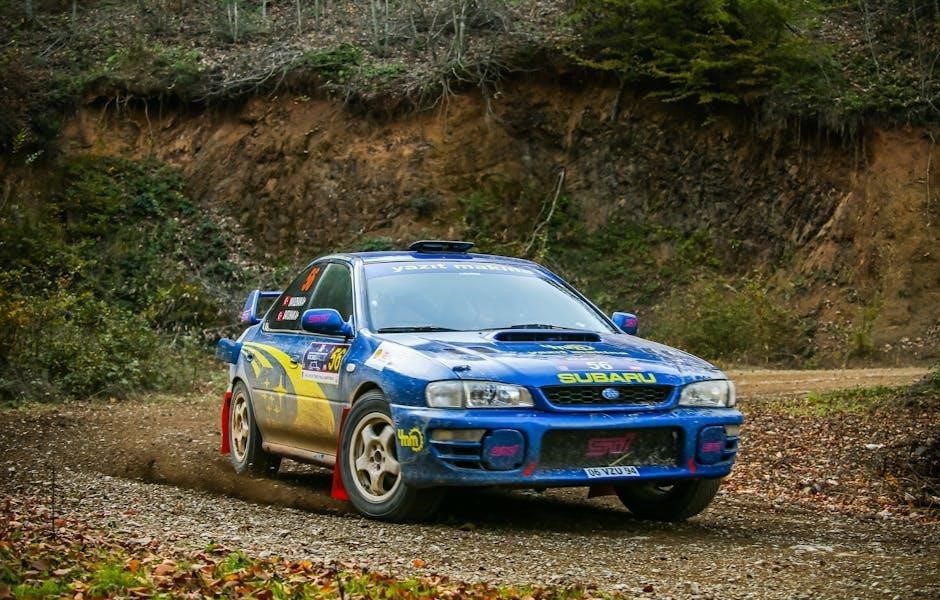
subaru forester buyers guide
Subaru Forester Buyers Guide: An In-Depth Overview (2026)
The Subaru Forester consistently ranks as a top choice, blending practicality with renowned Subaru reliability and safety features; it’s a compelling option for diverse drivers.
The Subaru Forester has cemented its position as a leading compact SUV, consistently attracting buyers with its unique blend of capability, safety, and practicality. First introduced in 1997, the Forester pioneered the crossover segment, offering a car-like driving experience with the added versatility of all-wheel drive.

Over the years, the Forester has evolved through five generations, each iteration building upon the strengths of its predecessor. It’s a vehicle designed for active lifestyles, offering ample cargo space, comfortable seating, and standard symmetrical all-wheel drive – a hallmark of the Subaru brand.
This buyer’s guide provides an in-depth overview of the Subaru Forester, covering its history, key features, trim levels, potential issues, and reliability ratings. Whether you’re considering a new or used model, this guide will equip you with the knowledge to make an informed decision. The Forester’s appeal extends to those seeking adventure, families needing space, and individuals prioritizing safety and dependability.
Why Choose a Subaru Forester?
The Subaru Forester distinguishes itself through a compelling combination of attributes. Primarily, its standard symmetrical all-wheel drive provides exceptional traction and stability in various conditions, making it ideal for inclement weather or light off-roading. Safety is paramount, with Subaru’s EyeSight driver assist technology included as standard, offering features like automatic emergency braking and lane departure warning.
Beyond capability and safety, the Forester boasts a spacious interior and generous cargo capacity, rivaling many larger SUVs. This makes it a practical choice for families or those frequently transporting gear. Reliability is another key benefit; Subaru consistently receives favorable ratings for dependability, minimizing potential ownership costs.
Furthermore, the Forester offers a comfortable ride and a relatively fuel-efficient engine. It’s a well-rounded vehicle that caters to a broad range of needs, making it a smart and sensible choice in the competitive crossover market.

Generations of the Subaru Forester
Throughout its history, the Forester has undergone five distinct generations, each building upon the last with advancements in design, technology, and safety features, evolving consistently.
First Generation (1997-2002) ⏤ Early Innovations
The inaugural Subaru Forester, launched in 1997, boldly pioneered the compact crossover segment, offering a unique blend of car-like handling and SUV versatility. It quickly gained traction for its practical design and standard all-wheel drive, a hallmark of Subaru vehicles. This first iteration featured a 2.5-liter naturally aspirated engine, providing adequate power for its intended purpose.
While relatively basic by today’s standards, the first-generation Forester prioritized functionality and durability. It offered a spacious interior for its class and a respectable amount of cargo space, making it appealing to small families and outdoor enthusiasts. Safety features were limited compared to modern vehicles, but it represented a step forward for its time. The early Forester established a foundation for future generations, showcasing Subaru’s commitment to all-weather capability and practical design. Finding well-maintained examples today is challenging, but they offer a glimpse into the origins of a popular crossover.
Second Generation (2003-2008) ⏤ Increased Refinement
The second-generation Subaru Forester (2003-2008) brought significant improvements in refinement and features compared to its predecessor. Building upon the original’s success, this iteration offered a more comfortable ride, enhanced interior materials, and improved overall build quality. Subaru addressed some of the first generation’s shortcomings, resulting in a more polished and appealing vehicle;
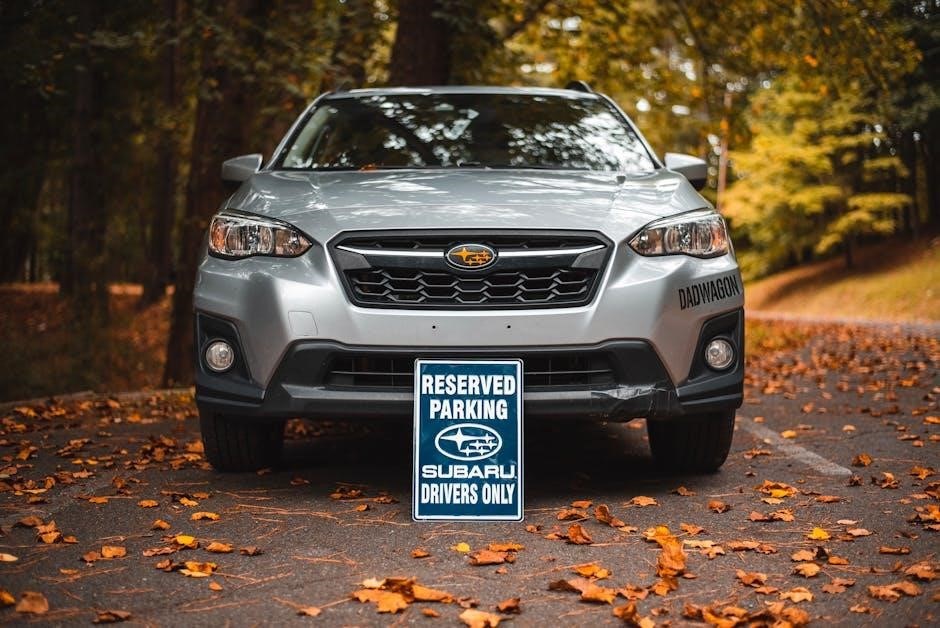
Engine options were expanded to include a turbocharged variant, providing a noticeable boost in performance for those seeking more spirited driving. Safety features were also upgraded, with available side airbags and improved structural rigidity. The second-generation Forester retained the practical interior and standard all-wheel drive that defined the model, but with a greater emphasis on comfort and convenience. This generation represents a sweet spot for many buyers, offering a balance of affordability, reliability, and usability. It’s a solid choice for those seeking a capable and dependable crossover.
Third Generation (2009-2013) ⎯ Enhanced Safety Features
The third-generation Subaru Forester (2009-2013) marked a substantial leap forward in safety technology and overall sophistication. Subaru prioritized occupant protection, incorporating a reinforced chassis and a suite of advanced safety features. Standard equipment included multiple airbags, anti-lock brakes, and stability control, while optional features like EyeSight driver assist began to appear, foreshadowing Subaru’s commitment to preventative safety.
Beyond safety, this generation offered a more spacious interior and improved fuel efficiency. The exterior styling was also updated, presenting a more modern and refined appearance. Engine options remained competitive, providing adequate power for daily driving and light off-roading. The third-generation Forester continued to excel in practicality, offering ample cargo space and standard all-wheel drive. It’s a particularly attractive option for families and individuals prioritizing safety and reliability, representing a significant step up in Subaru’s crossover offering.
Fourth Generation (2014-2018) ⎯ Modern Design & Technology
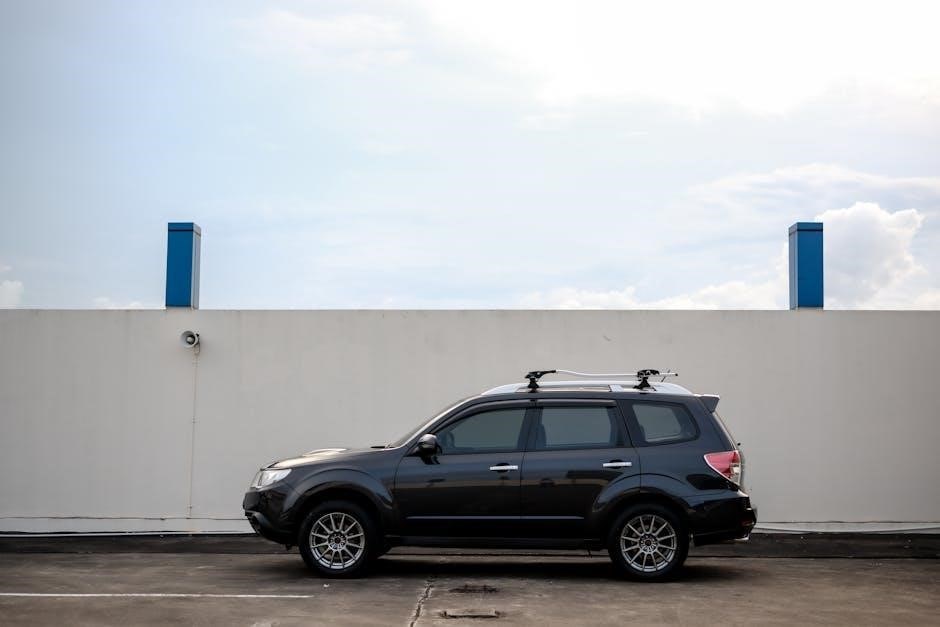
The fourth-generation Subaru Forester (2014-2018) introduced a more contemporary design language and a significant upgrade in interior technology. Featuring a bolder exterior and a redesigned cabin, this Forester aimed for broader appeal. Subaru focused on improving visibility with larger windows and a more upright seating position, enhancing driver awareness. The infotainment system received updates, offering improved connectivity and functionality, though it lagged behind some competitors.
Safety continued to be a priority, with EyeSight driver assist becoming more widely available. Engine options remained largely unchanged, providing a balance of fuel efficiency and performance. This generation also benefited from improvements in ride quality and noise insulation. Overall, the fourth-generation Forester represented a well-rounded package, blending practicality, safety, and a more modern aesthetic, solidifying its position in the competitive crossover segment.
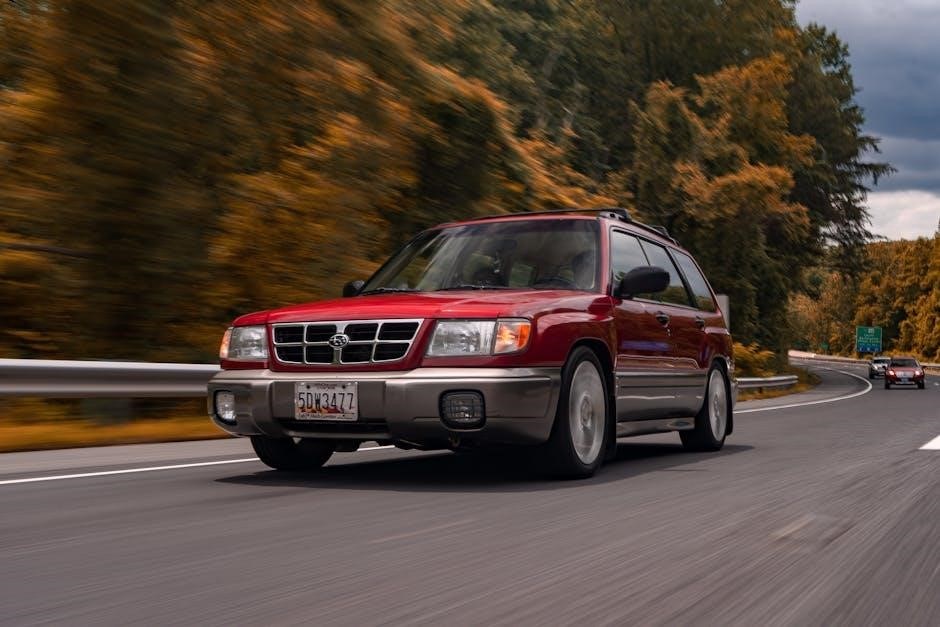
Fifth Generation (2019-Present) ⎯ Subaru Global Platform
The current fifth-generation Subaru Forester (2019-Present) marks a pivotal shift, built upon the Subaru Global Platform (SGP). This new platform delivers enhanced safety, improved handling, and a more refined ride quality. A complete redesign brought a more spacious interior, increased cargo capacity, and updated styling. Subaru significantly upgraded the standard EyeSight driver assist technology, making it even more effective and comprehensive.
Powering this generation is a revised 2.5-liter four-cylinder engine, providing adequate performance for daily driving. The continuously variable transmission (CVT) remains the sole transmission option. Interior materials and overall build quality received noticeable improvements. This Forester continues Subaru’s tradition of standard all-wheel drive, making it a capable choice in various weather conditions. It remains a popular choice, consistently praised for its practicality, safety, and reliability.
Key Features & Specifications
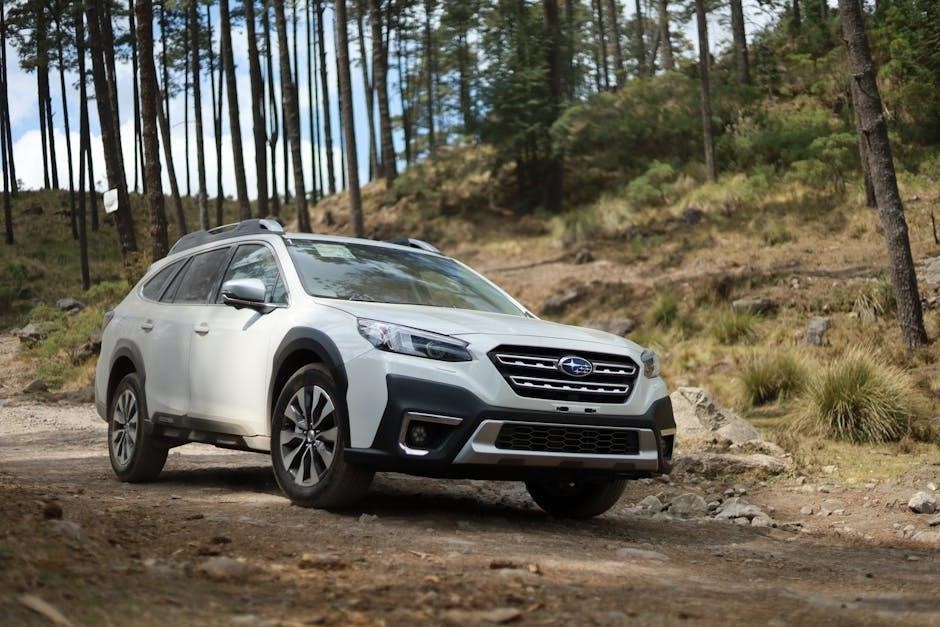
Forester’s core strengths lie in its standard all-wheel drive, EyeSight safety suite, spacious interior, and practical cargo area; these features define its appeal to buyers;
Engine Options: A Detailed Look
The 2026 Subaru Forester primarily features a 2.5-liter four-cylinder Boxer engine, delivering a balance of fuel efficiency and adequate power for daily driving. This engine consistently produces around 182 horsepower and 176 lb-ft of torque, proving sufficient for most driving scenarios. While not exceptionally powerful, it’s known for its durability and smooth operation.
Subaru’s Boxer engine design contributes to a lower center of gravity, enhancing stability and handling. A key benefit is its inherent balance, reducing vibrations and providing a refined driving experience. Though a turbocharged engine option has been speculated, the standard engine remains the sole offering for the 2026 model year.
Fuel economy is respectable, typically achieving around 26 mpg city and 33 mpg highway, making it an economical choice within the compact SUV segment. The engine is paired with a continuously variable transmission (CVT), optimizing fuel efficiency and providing seamless acceleration.
Transmission Choices: CVT vs. Manual (if applicable)
For the 2026 Subaru Forester, Subaru has streamlined its transmission offerings, exclusively featuring a Continuously Variable Transmission (CVT) across all trim levels. A manual transmission option is, unfortunately, no longer available. This decision aligns with Subaru’s focus on fuel efficiency and ease of use, catering to a broader customer base.
The CVT is meticulously tuned to mimic traditional gear shifts, providing a more engaging driving experience than some CVTs. It optimizes engine output for improved acceleration and fuel economy. While some driving purists may lament the loss of a manual option, the CVT delivers smooth and efficient performance.
Subaru’s CVT incorporates X-MODE, enhancing traction and control in challenging conditions like snow or gravel. This feature, combined with Subaru’s symmetrical all-wheel drive, makes the Forester a capable vehicle in various terrains. The CVT’s reliability is generally good, though regular maintenance is crucial for optimal performance.
Standard Safety Features: EyeSight Driver Assist Technology
Subaru’s EyeSight Driver Assist Technology remains a cornerstone of the 2026 Forester’s safety profile, coming standard on every trim level. This suite of active safety features utilizes dual cameras to monitor driving conditions and provide alerts or interventions when necessary. Key components include Adaptive Cruise Control, maintaining a safe following distance, and Lane Departure and Sway Warning, alerting drivers who drift from their lane.
Automatic Emergency Braking is also standard, mitigating or avoiding collisions. Enhanced features for 2026 include improved pedestrian and cyclist detection, and a wider field of view for enhanced responsiveness.
Beyond EyeSight, the Forester includes standard features like Vehicle Stability Control with Traction Control, Anti-lock Braking System, and multiple airbags. Subaru consistently earns top safety ratings, and the 2026 Forester is expected to continue this tradition, offering peace of mind for drivers and passengers alike.
Interior Space & Comfort: Cargo Capacity & Passenger Room
The 2026 Subaru Forester excels in providing a spacious and comfortable interior for both passengers and cargo. Rear seat legroom is generous, comfortably accommodating adults on longer journeys. The upright design maximizes headroom, contributing to an open and airy feel within the cabin. Premium trim levels offer available features like heated and ventilated front seats, enhancing comfort in varying climates.
Cargo capacity is a standout feature, boasting a substantial 31.7 cubic feet behind the rear seats, expanding to an impressive 76.5 cubic feet with the rear seats folded down. This provides ample space for luggage, groceries, or outdoor gear.
Thoughtful storage solutions throughout the cabin, including a large center console and door pockets, add to the Forester’s practicality. The overall interior design prioritizes functionality and durability, making it well-suited for active lifestyles.
Infotainment System: Features & Compatibility
The 2026 Subaru Forester features an updated infotainment system designed for seamless connectivity and user-friendly operation. A standard large touchscreen display, measuring 11.6 inches diagonally, serves as the central hub for all infotainment functions. Wireless Apple CarPlay and Android Auto integration are standard across all trim levels, allowing for effortless smartphone mirroring.
The system also includes Bluetooth connectivity for hands-free calling and audio streaming. Higher trim levels may offer features like integrated navigation, a premium Harman Kardon sound system, and over-the-air software updates.
Subaru has focused on improving responsiveness and simplifying the menu structure, making it easier to access key features while driving. Multiple USB ports are strategically located throughout the cabin to keep devices charged. Voice control functionality further enhances convenience and safety.
Trim Levels & What They Offer
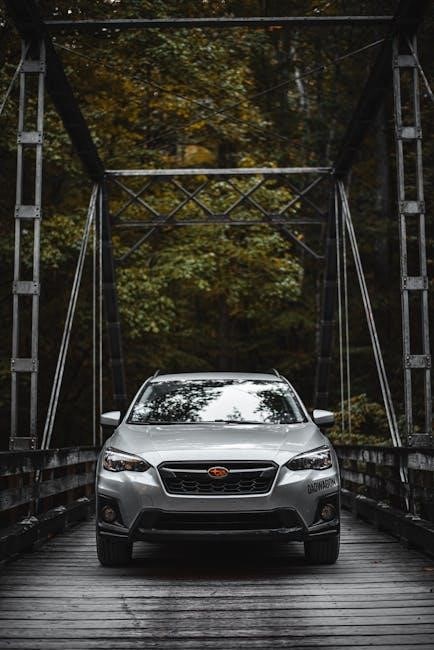
The 2026 Forester presents a diverse range of trims – Base, Premium, Sport, Limited, and Touring – each building upon the last with enhanced features and luxurious appointments.
Base Model: Essential Features
The 2026 Subaru Forester’s base model doesn’t skimp on core features, providing excellent value for budget-conscious buyers. Standard equipment includes Subaru’s renowned EyeSight Driver Assist Technology, encompassing automatic emergency braking, lane departure warning, and adaptive cruise control, prioritizing safety.
Inside, expect a user-friendly infotainment system with a 7-inch touchscreen, Apple CarPlay and Android Auto integration, and Bluetooth connectivity. Comfort features aren’t neglected, with automatic climate control and comfortable cloth upholstery.
Power comes from the standard 2.5-liter four-cylinder engine, delivering adequate performance for daily commutes and road trips. All-wheel drive is, of course, standard across the entire Forester lineup, providing enhanced traction and stability in various weather conditions. While it lacks some of the premium features found in higher trims, the base Forester offers a well-rounded package with essential technology and safety features.
Premium Trim: Added Comfort & Convenience
Stepping up to the 2026 Subaru Forester Premium trim unlocks a significant boost in comfort and convenience features. Building upon the base model, it introduces a larger 8-inch touchscreen infotainment system, enhancing usability and visual appeal. Heated front seats become standard, a welcome addition for colder climates, alongside a power-adjustable driver’s seat for personalized comfort.
Keyless access with push-button start adds convenience, while the inclusion of alloy wheels elevates the exterior styling. Premium buyers also benefit from automatic climate control with dual-zone functionality, allowing for customized temperature settings.
Furthermore, the Premium trim often includes features like a power liftgate for easier cargo access and upgraded interior trim materials. It strikes a compelling balance between affordability and enhanced features, making it a popular choice for those seeking a more refined Forester experience without breaking the bank.
Sport Trim: Performance-Focused Enhancements
The 2026 Subaru Forester Sport trim caters to drivers seeking a slightly more engaging driving experience. While not a full-fledged performance model, it introduces several enhancements designed to sharpen handling and aesthetics. A more powerful engine option may be available, providing a noticeable boost in acceleration and responsiveness.
Visually, the Sport trim distinguishes itself with unique exterior styling cues, such as distinctive alloy wheel designs and sporty accents. Inside, you’ll find sport-bolstered seats offering increased lateral support, and often, paddle shifters for more manual control over the transmission.
Subtle suspension tweaks aim to improve handling and reduce body roll, contributing to a more confident feel on winding roads. While maintaining the Forester’s core competency of all-weather capability, the Sport trim adds a layer of driving enjoyment for those who appreciate a more dynamic experience.
Limited Trim: Luxury & Advanced Technology
The 2026 Subaru Forester Limited trim elevates the ownership experience, focusing on premium comfort and cutting-edge technology. Building upon the already well-equipped Forester, the Limited adds a significant layer of refinement and convenience features. Expect to find luxurious leather upholstery, heated and ventilated front seats, and a power-adjustable driver’s seat with memory function.
Technology takes center stage with a larger, more sophisticated infotainment display, potentially incorporating wireless smartphone integration and an upgraded sound system. Advanced safety features, such as a wider-angle front view camera and reverse automatic braking, are often standard.
Exterior enhancements may include chrome accents and premium alloy wheels. The Limited trim strikes a balance between practicality and luxury, offering a comfortable and well-appointed cabin without sacrificing the Forester’s renowned capability and reliability.
Touring Trim: Top-of-the-Line Features
The 2026 Subaru Forester Touring trim represents the pinnacle of Forester luxury and technology, offering an unparalleled driving experience. This top-tier model incorporates every available feature, designed for those seeking ultimate comfort and convenience. Expect premium Nappa leather upholstery, heated rear seats, and a power moonroof to enhance the cabin ambiance.
The Touring trim boasts an advanced infotainment system with navigation, a premium Harman Kardon sound system, and potentially a larger touchscreen display. Driver assistance technologies are maximized, possibly including a 360-degree surround view camera and advanced adaptive cruise control.
Exterior styling is further enhanced with unique alloy wheel designs and exclusive trim accents. The Forester Touring delivers a truly refined and feature-rich experience, solidifying its position as a leader in the compact SUV segment, blending capability with exceptional luxury.

Common Issues & Reliability
Subaru Foresters generally exhibit strong reliability, though potential buyers should be aware of possible head gasket issues and oil consumption in older models; regular maintenance is key.
Known Problems to Watch Out For
Potential Subaru Forester owners should investigate several common issues. Earlier models (pre-2014) are sometimes prone to head gasket failures, a known Subaru concern, potentially leading to coolant leaks and overheating. Oil consumption can also be higher in some Foresters, requiring frequent checks.
CVT (Continuously Variable Transmission) issues have been reported in certain model years, manifesting as shuddering or hesitation. Thoroughly inspect the transmission’s history and look for signs of previous repairs. Additionally, some owners have experienced problems with the infotainment system, including screen freezing or connectivity issues.
Rust can be a concern, particularly in regions with harsh winters and road salt. Carefully examine the undercarriage and body panels for corrosion. Finally, check for proper operation of the EyeSight driver assist system, ensuring all features function correctly. A pre-purchase inspection by a qualified mechanic is highly recommended to identify any hidden problems.
Subaru Forester Reliability Ratings
Generally, the Subaru Forester enjoys a solid reputation for reliability, consistently scoring above average in many industry assessments. Consumer Reports typically gives the Forester favorable ratings, noting its strong performance in predicted reliability surveys. J.D. Power scores are often average to good, reflecting owner satisfaction with build quality and durability.
However, reliability can vary significantly by model year. Newer Foresters (2019-present), built on the Subaru Global Platform, tend to exhibit fewer issues than older generations. Some years have experienced higher complaint rates related to the CVT transmission and infotainment systems.
Overall, the Forester’s longevity is commendable, with many owners reporting over 200,000 miles of trouble-free driving. Regular maintenance, as outlined in the owner’s manual, is crucial for maximizing reliability. Checking owner forums and online reviews can provide valuable insights into specific model year concerns.
Maintenance Schedule & Costs
Subaru Foresters require consistent maintenance to ensure longevity and optimal performance. The standard schedule includes oil changes every 6,000-7,500 miles using synthetic oil, crucial for turbocharger health if equipped. Tire rotations are recommended every 5,000 miles to promote even wear.
Key services at higher mileage intervals include coolant flushes (every 60,000 miles), spark plug replacements (every 100,000 miles), and timing belt inspections (if applicable, depending on engine). CVT fluid changes are vital, typically around 30,000-60,000 miles, to prevent transmission issues.
Annual maintenance costs generally range from $500 to $1,000, depending on mileage and required services. While Subaru parts can be slightly more expensive than some competitors, the Forester’s overall reliability often offsets these costs. Utilizing a Subaru dealership or a qualified independent mechanic specializing in Subarus is highly recommended for specialized repairs.
Related Posts

guitar string gauge guide
Struggling to choose the right guitar string gauge? Our guide breaks down everything you need to know – from light to heavy, tone to playability! Find your perfect **guitar string gauge** today.

backcountry ski guide
Dreaming of untouched powder? Our backcountry ski guide unlocks incredible adventures! Find expert tips, safety advice & stunning terrain info. Let’s ski!

edge clamp saw guide
Discover the ultimate edge clamp saw guide for flawless woodworking projects. Ensure accurate cuts with our expert guide.