
hayward omnilogic troubleshooting guide pdf
Hayward OmniLogic Troubleshooting Guide: A Comprehensive Overview
Navigating the complexities of your Hayward OmniLogic system requires a detailed guide; this resource offers expert tips and solutions for common issues, ensuring optimal pool operation.
The Hayward OmniLogic system represents a significant advancement in pool and spa automation, offering integrated control over various functions like pumps, heaters, lights, and sanitization. This sophisticated system aims to simplify pool maintenance and enhance the overall ownership experience. However, like any complex technology, the OmniLogic can encounter issues requiring troubleshooting.
Understanding the system’s architecture and components is crucial for effective diagnosis and repair. The OmniLogic control panel serves as the central hub, communicating with sensors and actuators throughout the pool system. Proper functionality relies on accurate sensor readings and reliable communication pathways. This guide will delve into common problems, error code interpretations, and practical solutions to restore your OmniLogic system to peak performance, ensuring a consistently enjoyable and hassle-free pool environment.
Understanding the OmniLogic Control Panel
The OmniLogic control panel is the primary interface for managing your pool or spa system. It features a user-friendly display that presents critical information, including system status, error codes, and sensor readings. Familiarizing yourself with the panel’s layout and navigation is essential for effective troubleshooting.
Key elements include the main menu, which provides access to various settings and functions, and the error display, which indicates potential problems. The panel also features indicator lights that signal the operational status of different components. Understanding how to interpret these visual cues is vital. Furthermore, the control panel allows for manual override of automated functions, providing a valuable tool for testing and diagnostics. A grounding terminal is located inside the wiring compartment for safety.

Common Hayward OmniLogic Issues & Troubleshooting
Addressing frequent problems like sensor malfunctions, pump failures, and connectivity errors is crucial for maintaining a smoothly operating pool system with your OmniLogic.
Error Code Identification & Interpretation
Decoding the OmniLogic’s error messages is the first step towards effective troubleshooting. The control panel displays specific codes indicating the nature of the problem, ranging from sensor issues to pump malfunctions. These codes aren’t random; they’re designed to pinpoint the source of the disruption, streamlining the repair process.
Consult the Hayward OmniLogic manual – a readily available PDF resource – for a comprehensive list of error codes and their corresponding meanings. Understanding these codes eliminates guesswork and allows for targeted solutions. For instance, a sensor-related code will direct you to investigate specific sensors, while a pump code suggests examining the pump’s operation and power supply.

Remember to document the error code before attempting any repairs. This information is invaluable when seeking assistance from Hayward support or a qualified technician. Accurate error code reporting significantly speeds up the diagnostic process, ensuring a quicker resolution to your pool system’s issues.
Sensor Malfunctions: Diagnosis & Repair
Sensors are vital components of the Hayward OmniLogic system, providing crucial data for optimal pool operation. Malfunctions can disrupt this flow, leading to inaccurate readings and system errors. The OmniLogic troubleshooting guide PDF emphasizes a systematic approach to diagnosis.

Begin by visually inspecting sensors for physical damage – cracks, corrosion, or loose connections. Utilize a multimeter to test sensor continuity and voltage, comparing readings to the specifications outlined in the manual. Often, a faulty connection is the culprit, easily remedied by tightening wires or replacing connectors.
If the sensor appears intact, the issue may lie within the OmniLogic’s internal circuitry. Refer to the PDF guide for calibration procedures or consider sensor replacement. Always use genuine Hayward replacement parts to ensure compatibility and maintain system integrity, avoiding further complications.
Temperature Sensor Troubleshooting
A malfunctioning temperature sensor within the Hayward OmniLogic system can cause inaccurate heating or cooling, impacting pool comfort and energy efficiency. The Hayward OmniLogic troubleshooting guide PDF details specific steps for diagnosis.
First, verify the sensor is securely mounted and submerged in water flow. Check for any debris obstructing the sensor’s reading. Use a known-accurate thermometer to compare readings with the OmniLogic display; significant discrepancies indicate a sensor issue.
The PDF guide recommends testing the sensor’s resistance using a multimeter. Compare the measured resistance to the values specified in the manual for the corresponding temperature. If the resistance is outside the acceptable range, the sensor likely needs replacement. Remember to calibrate the new sensor according to the guide’s instructions.

Pressure Sensor Troubleshooting
Addressing pressure sensor issues within your Hayward OmniLogic system is crucial for maintaining proper filtration and pump operation. The Hayward OmniLogic troubleshooting guide PDF provides detailed steps for effective diagnosis and repair;
Begin by visually inspecting the sensor and its connecting tubing for any cracks, leaks, or blockages. Ensure the tubing is securely connected to both the sensor and the filter housing. Error codes related to low or high pressure often pinpoint sensor problems.
The PDF guide suggests checking the sensor’s calibration. A miscalibrated sensor can provide inaccurate readings, triggering false alarms or inefficient operation. Replacement may be necessary if the sensor consistently delivers incorrect data. Always refer to the manual for specific calibration procedures and acceptable pressure ranges.
Flow Sensor Troubleshooting
Diagnosing flow sensor malfunctions within the Hayward OmniLogic system is vital for ensuring efficient water circulation and proper chemical distribution; The Hayward OmniLogic troubleshooting guide PDF offers comprehensive assistance in identifying and resolving these issues.
Start by verifying the physical connection of the flow sensor, checking for loose wiring or corrosion. Inspect the sensor’s impeller for any obstructions, such as debris or calcium buildup, which can impede accurate readings. Error codes indicating insufficient or excessive flow often signal a sensor problem.
The guide recommends confirming the sensor’s functionality using a multimeter to test for continuity. A faulty sensor will require replacement. Remember to consult the PDF for specific troubleshooting steps and recommended replacement part numbers, ensuring compatibility with your OmniLogic model.
Pump & Motor Issues
Addressing pump and motor problems is crucial for maintaining your pool’s circulation system, and the Hayward OmniLogic troubleshooting guide PDF provides detailed steps for diagnosis and repair. Common issues include the pump failing to start, reduced flow rates, or unusual noises emanating from the motor.
The guide emphasizes checking the power supply to the pump, verifying the breaker hasn’t tripped, and inspecting the motor capacitor for signs of failure. A failing capacitor is a frequent cause of pump start-up issues. Furthermore, it details how to assess the pump impeller for blockages or damage.
If the motor overheats, the OmniLogic system may activate overload protection. The PDF explains how to reset this protection, but persistent overload indicates a more serious underlying problem requiring professional attention. Always refer to the guide for specific model instructions.
Pump Not Starting: Possible Causes
When your Hayward pump refuses to start, the troubleshooting guide PDF highlights several potential culprits. A primary suspect is a loss of power – verify the circuit breaker hasn’t tripped and that the pump is receiving voltage. Next, inspect the pump’s capacitor; a bulging or leaking capacitor often indicates failure and prevents start-up.
The guide also stresses checking for obstructions in the pump basket or impeller. Debris can jam the impeller, preventing it from rotating. Additionally, a faulty pump motor relay within the OmniLogic control panel could be the issue, requiring replacement.
Finally, the PDF advises examining the wiring connections for looseness or corrosion. Ensure all connections are secure and free from damage. Remember to disconnect power before inspecting electrical components for safety.
Motor Overload Protection & Resetting
The Hayward OmniLogic system incorporates motor overload protection to prevent damage from overheating. According to the troubleshooting guide PDF, if the pump motor trips this protection, it will shut down. Allow the motor to cool completely – this typically takes 30-60 minutes – before attempting a reset.
The PDF details that a manual reset button is usually located on the motor itself, often under a protective cover. Press this button firmly to restore power. However, repeated tripping indicates an underlying issue, such as a clogged impeller or low voltage.
It’s crucial to address the root cause, not just reset the overload. Ignoring frequent trips can lead to permanent motor failure. The guide emphasizes checking for obstructions and verifying proper voltage levels before restarting the system.
Connectivity Problems
The Hayward OmniLogic system relies on stable connectivity for remote control and monitoring, as detailed in the troubleshooting guide PDF. Common issues include Wi-Fi connection failures and communication errors with sensors. For Wi-Fi problems, ensure your router is functioning correctly and the OmniLogic is within range.
The PDF recommends restarting both the OmniLogic and your router as a first step. Verify the correct Wi-Fi password is entered within the system settings. Communication errors with sensors often indicate a wiring issue or a faulty sensor itself.
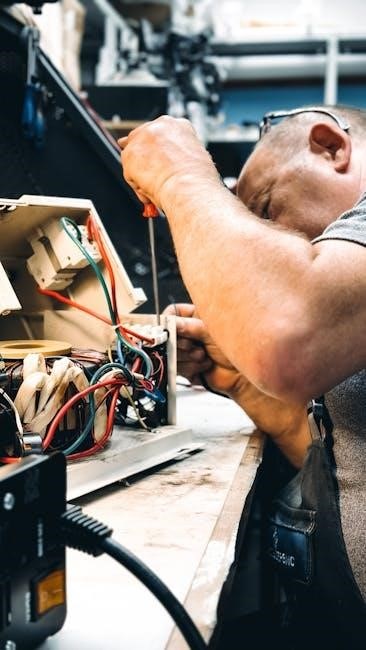
Check all sensor connections, ensuring they are secure and free from corrosion. If problems persist, consult the guide for specific sensor troubleshooting steps. A stable network is vital for optimal system performance.
Wi-Fi Connection Issues
The Hayward OmniLogic’s Wi-Fi connectivity, as outlined in the troubleshooting guide PDF, is crucial for remote access and control. Initial steps involve verifying your home network is operational and that the OmniLogic is within the router’s signal range. Ensure the correct Wi-Fi password has been entered during setup; incorrect credentials are a frequent cause of connection failures;
The PDF suggests restarting both the OmniLogic control panel and your wireless router. Check for firmware updates for both devices, as these often include connectivity improvements. Interference from other electronic devices can also disrupt the signal; try relocating the OmniLogic or router.

If issues continue, consult the guide’s section on network settings and potential IP address conflicts.
Communication Errors with Sensors
The Hayward OmniLogic troubleshooting guide PDF details how communication errors with sensors disrupt accurate system readings. These errors often manifest as erratic behavior or inaccurate data displayed on the control panel. First, verify the physical connections of each sensor, ensuring wires are securely fastened and free from corrosion.
The PDF recommends checking for loose connections within the OmniLogic’s wiring compartment. Sensor compatibility is also vital; only use genuine Hayward replacement parts. Interference from nearby electrical equipment can sometimes cause communication disruptions; try relocating wiring if possible.
If the problem persists, the guide suggests testing sensors individually to pinpoint the faulty component and consulting the error code section for specific diagnostics.

Safety Precautions & Electrical Considerations

Prioritize safety by ensuring proper grounding and electrical connections, as detailed in the Hayward OmniLogic guide; never control fire pits with this system.
Grounding & Electrical Connections
Maintaining a secure electrical connection is paramount for safe OmniLogic operation. A green-colored terminal, clearly marked “Grounding,” resides within the wiring compartment and must be connected to a properly grounded electrical source. This connection significantly reduces the risk of electric shock, safeguarding both individuals and the equipment itself.
Always verify that all wiring conforms to local electrical codes and regulations. Improper grounding can lead to system malfunctions, damage to components, and potentially dangerous situations. Regularly inspect the grounding connection for corrosion or looseness, and address any issues immediately. When performing any electrical work, always disconnect power to the system at the breaker to prevent accidental shock.
Remember, using qualified personnel for electrical installations and repairs is highly recommended. Ignoring these crucial safety precautions can void warranties and compromise the integrity of your pool system.
Using Genuine Hayward Replacement Parts
To ensure the longevity and optimal performance of your Hayward OmniLogic system, utilizing genuine Hayward replacement parts is absolutely critical. Non-genuine parts may appear compatible, but they often lack the precise specifications and quality control necessary for seamless integration and reliable operation.
Employing aftermarket components can lead to system instability, inaccurate readings, and even permanent damage to the OmniLogic control panel or connected equipment. Hayward rigorously tests its parts to guarantee compatibility and adherence to strict safety standards. Specifically, documentation states “USE ONLY HAYWARD GENUINE REPLACEMENT PARTS.”
Investing in authentic Hayward parts protects your investment and maintains the integrity of your pool automation system. Always verify part numbers and source your replacements from authorized Hayward dealers to avoid counterfeit or substandard products.

Resources & Further Support
For comprehensive assistance, consult the Hayward official website and documentation; these resources provide detailed guides, manuals, and troubleshooting support for your system.
Hayward Official Website & Documentation
Hayward’s official website is the primary hub for accessing detailed product information, downloadable manuals, and crucial troubleshooting resources specifically tailored for the OmniLogic system. You’ll find a dedicated support section offering frequently asked questions (FAQs), detailed guides addressing common error codes, and wiring diagrams to assist with installations and repairs.
Furthermore, the website provides access to the complete OmniLogic user manual in PDF format, offering in-depth explanations of system functions, operational procedures, and safety precautions. Regularly checking the “Downloads” or “Support” area of the Hayward website ensures you have the latest software updates and firmware revisions, which can often resolve compatibility issues and enhance system performance.
Direct links to specific troubleshooting guides and documentation are often available, streamlining the process of finding solutions to your particular problem. Don’t hesitate to utilize the online contact form or phone support options for personalized assistance from Hayward’s technical experts.
Related Posts

japji sahib vyakhya pdf
Explore the profound Japji Sahib commentary PDF, unlocking Sikh teachings with clear explanations, spiritual insights, and practical guidance for everyday devotion.

harry potter and the chamber of secrets book pdf
Dive back into the magic! Download the ‘Harry Potter and the Chamber of Secrets’ PDF for free and rediscover the thrilling second year at Hogwarts. Start reading now!

singer sew mate 5400 manual pdf
Need a Sew Mate 5400 manual PDF? Don’t waste time searching! Get your free, downloadable manual right here. Stitching success starts now! ✨